Position
Plant Star Gooseberry in a location that receives full sun to partial shade. It benefits from at least 6-8 hours of direct sunlight daily for optimal growth and fruit production.
Star Gooseberry thrives in tropical and subtropical climates. It prefers warm temperatures year-round and does not tolerate frost.
They can be grown in containers in cooler climates and brought indoors during winter. Ensure good drainage to prevent waterlogging, which can lead to root rot.
Soil
Choose well-draining soil that is rich in organic matter. Sandy loam or loamy soils are ideal. The pH level should be slightly acidic to neutral (pH 5.5-7.0) Ensure good drainage to prevent waterlogging, which can lead to root rot.
Watering
Keep the soil moist but not waterlogged, especially during the growing season and when the tree is young or fruiting.
Water profoundly and allow the top inch of soil to dry out slightly between waterings. Reduce watering during cooler months or periods of dormancy.
Mulching
Add a thick layer of pine bark mulch, keeping it about 20 to 30 centimetres away from the tree trunk (any closer may cause excess moisture and damage the trunk). This will retain the moisture in the soil and will prevent weeds from taking over.
Fertilising
Fertilise regularly during the growing season (spring and summer) with a balanced fertiliser or one formulated for fruit-bearing trees.
Or use our slow release berry fertiliser (used for all plants) apply one teaspoon every 4-5 months.
Pruning
Prune the plant to maintain a desired shape, improve air circulation, and remove dead or diseased branches. Pruning can also help stimulate new growth and fruit production. Major pruning is done during the dormant season, and minor pruning is done as needed throughout the year.
Pests and Diseases
Aphids, citrus psylla, red scale, citrus greening. Spraying regularly with Agricultural Neem Oil or Effective Microorganisms (EM Control ) will assist in either prevention or after the fact. If you already have aphids or mites, wash the tree with a harsh hosing, and when dry, spray with Neem oil or EM Control.
Practice good garden hygiene (remove fallen fruit and leaves).
Watch for root rot (if overwatered) and fungal infections during wet periods.
Pollination
Star Gooseberry plants are typically self-fertile, meaning they can produce fruit without needing another plant for pollination.
However, having multiple plants can increase fruit yield. Bees and other pollinators may also aid in pollination.
Harvesting
Harvested when fully ripe. They should be firm yet yield slightly to gentle pressure when ripe.
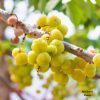
The fruits are often yellow or pale green and have a tart flavor. Harvest carefully to avoid bruising the delicate fruits.