



Position
Plant your Aronia berry bush in full sun or semi-shade for the best results.
Size
This bush grows to a height of 1 metre and a width of 3 metres when mature. So, when planting your Aronia berries, give them enough room to spread.
Soil Type
This berry is not very fussy. All it needs is soil with good drainage so it doesn’t become waterlogged. Aronia berry plants can tolerate most soil types.
Volcanic rock dust, is very benefial when planting and can also be added to the soil every 4-5 months.. Rock Dust contains organic minerals and trace elements to boost soil health and increase the number of important microorganisms essential for healthy soil.
Watering
Once your plant is well-established, it is quite tolerant of drought and disease. Berry plants prefer the soil to be watered, not the leaves. If there’s been no rain lately, ensure you give the soil a good soak every 2 to 3 days once it’s been planted in the garden.
The main cause of death for newly planted berries is insufficient water after planting.
Mulching
Apply 2 to 5 centimetres of pine-bark mulch to protect the roots from UV damage and drying out. It retains moisture and maintains an optimal pH. Do not let the mulch touch the plant stem, as it may cause infection or rot.
Re-apply every 3-4 months.
Fertilising
The plant is self-fertilising, but adding good organic matter, compost, or well-rotted manure will improve the yield. You can also apply 1 teaspoon of our slow-release berry fertiliser, every 4-5 months. The roots will absorb what they need.
Pruning
Cut away any dead branches in winter. This allows the bush to direct its resources to healthy, productive limbs, leaves, and fruit rather than trying to sustain dead or diseased ones.
Pests and Diseases
Spraying regularly with Agricultural Neem Oil or Effective Microorganisms (EM Control) will assist in prevention or in after-the-fact control. If you already have aphids or mites, wash the plant with a strong hose-down, then, when dry, spray with Neem oil or EM Control.
Practice good garden hygiene (remove fallen fruit and leaves).
Facts
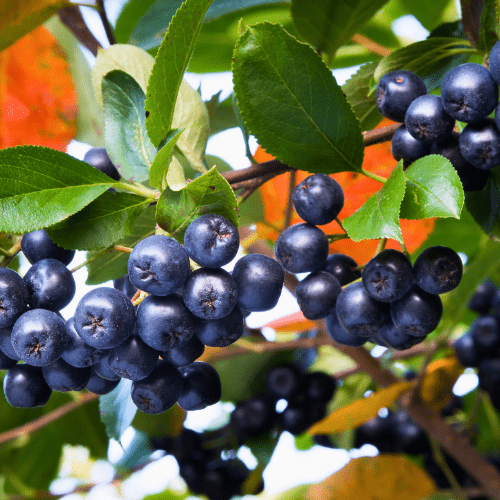
The bush flowers in spring. The blooms are small, delicate, and creamy white with 5 petals and 5 sepals. The leaves will change from green to bright red in autumn, making an attractive display.


