Position:
Plant loganberries in full sun for the best fruit production. They prefer temperate conditions but can tolerate some cold during winter. Allow approximately 2–2.5 m between plants to give the vigorous canes room to spread. Loganberries have long, rambling canes and are best grown against a trellis, fence or supporting wires.
Soil
Loganberries prefer fertile, well-drained soil rich in organic matter, with a slightly acidic to neutral pH of approximately 6.0–7.0.
When planting, add a bag of Berry Mix or acid compost. Mix the berry mix and volcanic rock dust into the top layer of soil before applying pine bark mulch.
Volcanic Rock Dust, which contains organic minerals and trace elements to boost soil health and increase important micro-organisms essential for healthy soil.
Mulching
Apply a 2–5 cm layer of Pine Bark Mulch around the plant. Mulching helps retain moisture, regulate soil temperature and protect the shallow roots from drying out.
Keep the mulch a few centimetres away from the base of the canes to reduce the risk of rot and fungal problems.
Watering
Loganberries require regular, consistent watering, particularly while flowering and developing fruit. As a general guide, water deeply about twice a week, increasing the frequency during very hot or dry weather.
Keep the soil moist but not waterlogged. Water around the base of the plant rather than over the foliage and fruit, as consistently wet leaves and canes can encourage fungal diseases.
Fertilising
Apply 1 teaspoon every 4-5 months of our slow-release berry fertiliser which is an optional extra!
Avoid over-fertilising, particularly with high-nitrogen fertilisers, as this can encourage excessive leafy growth at the expense of fruit production.
Pests and Diseases
Loganberries are generally easy to grow but can occasionally be affected by aphids, mites and other sap-sucking insects. Fungal diseases may also develop where plants have poor airflow or foliage remains wet for long periods.
Regularly inspect the leaves and canes for signs of pests or disease.
Spraying regularly with Agricultural Neem Oil or Effective Microorganisms (EM Control ) will assist in either prevention or after the fact. If you already have aphids or mites, wash the tree with a harsh hosing, and when dry, spray with Neem oil or EM Control.
Good airflow, correct spacing, sensible pruning and watering at soil level will also help reduce disease problems.
Pruning
Loganberries produce fruit on second-year canes (floricanes). Once these canes have finished fruiting, cut them back to ground level, as they will not fruit again.
Keep the strong new canes that have grown during the season, as these will produce the following year’s crop. Train and tie them onto the trellis or supporting wires to keep the plant manageable and improve airflow.
Harvesting
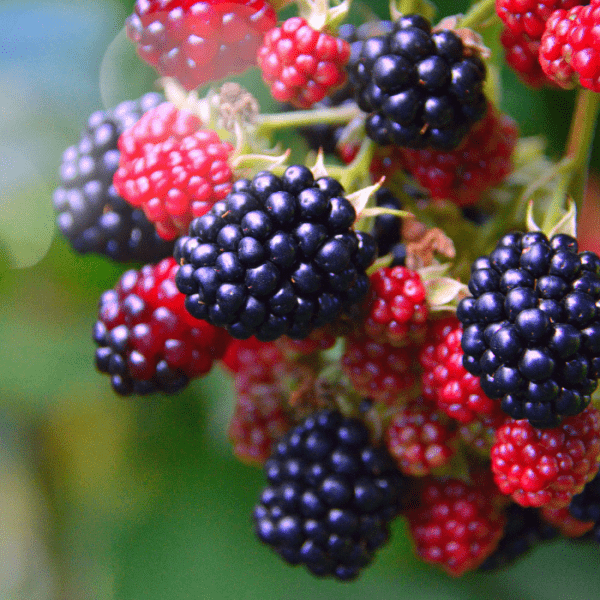
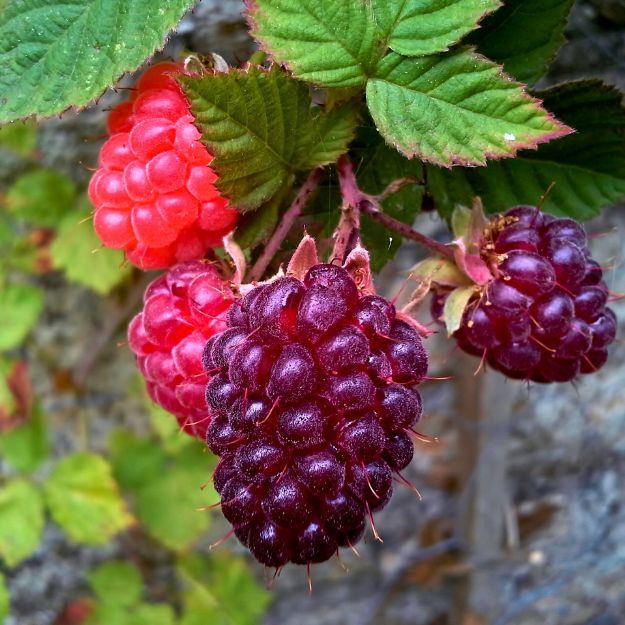
Harvest loganberries when they have developed their full deep-red colour and are juicy and slightly soft. Ripe berries should come away from the plant easily when gently picked by hand.
For the best flavour, allow the berries to ripen fully on the plant and harvest them regularly as they mature.