Ultimate Soil for Elderberry Plants:
Berry Mix
Volcanic rock dust
Pine Bark Mulch
Soil
Elderberry plants grow best in fertile, loamy soil that is moist but well-drained. They will tolerate a range of soil types, including sandy soils, provided they receive sufficient water. A slightly acidic to neutral soil with a pH of approximately 5.5 to 7.0 is suitable.
Normal garden soil has a pH of 7-8.
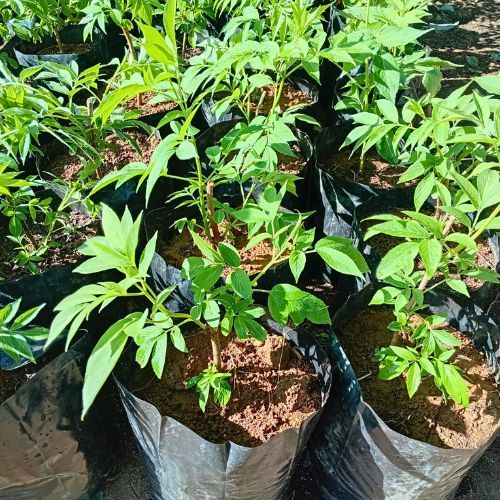
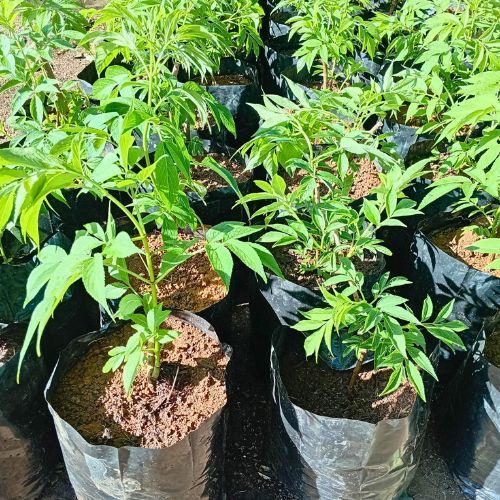
Before planting your Eldreberry tree add your Berry Mix and Volcanic Rock Dust (which contains organic minerals and trace elements to boost soil health and increase beneficial micro-organisms) near the surface. Gently take your plant out of the pot and plant it level with the ground. Planting too high or too deep stresses the plant and threatens its long-term health.
Position
Plant your elderberry in full sun or partial shade. Full sun generally encourages better flowering and fruit production, while some afternoon shade can be beneficial in very hot climates. Choose a position with good airflow and enough space for the bush to reach its mature size.
Size
Elderberry (Sambucus nigra) is a large, fast-growing shrub or small tree that can reach approximately 4 to 6 metres in height, although it can easily be kept smaller with regular pruning.
Elderberries can produce fruit on their own, but planting a second compatible elderberry variety nearby can improve pollination and increase fruit production.
Allow approximately 3 to 5 metres between an elderberry and buildings, fences or other structures. This gives the plant sufficient room to develop and makes pruning, harvesting and general maintenance easier.
Watering
Elderberries prefer consistently moist soil, especially while establishing and during flowering and fruit development. Water regularly during hot, dry summer weather to encourage healthy growth and a good crop.
Established plants can tolerate short dry periods, but prolonged drought can reduce fruit production and berry quality. Avoid allowing the soil to become waterlogged.
Mulching
Mulching is an excellent way to suppress weeds, conserve soil moisture and protect the root zone from extreme temperatures.
Apply about 2 to 5 centimetres of pine bark mulch to protect the roots from UV damage and drying out. Apply regularly all year round.
Keep the mulch away from direct contact with the stems or trunk, as constantly damp material against the plant can encourage rot and disease.
Fertilising
Use a slow-release, nitrogen-rich fertiliser such as our berry fertiliser. Apply 1 teaspoon every 4–5 months.
Avoid over-fertilising with nitrogen, as excessive nitrogen can encourage vigorous leafy growth at the expense of flowers and fruit.
Pruning
Remove dead, damaged or diseased branches, as well as older, less productive stems. You can also prune to control the plant’s height and shape and to encourage vigorous new growth.
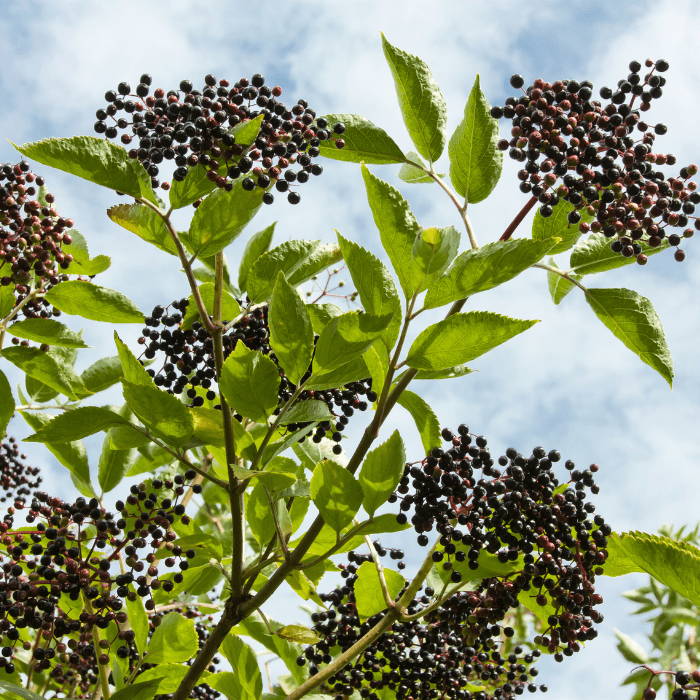
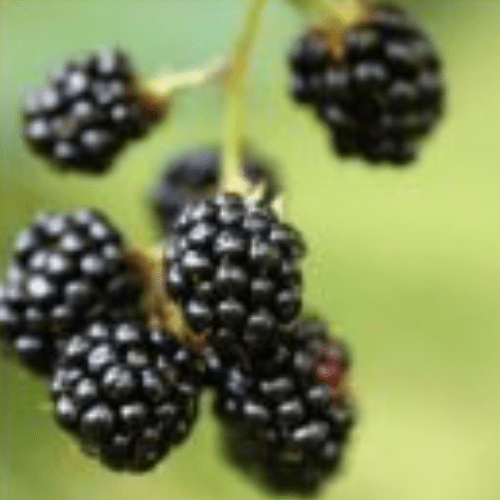
In spring to early summer, elderberry plants produce clusters of beautifully scented, creamy-white flowers. These are followed by clusters of small, dark purple-black berries that ripen during summer.
Young plants may produce some fruit earlier, but a good harvest can take approximately 2 to 3 years after planting. Fruit production is usually improved when another compatible elderberry variety is growing nearby.
Pests and Diseases
Elderberries are generally hardy plants but can occasionally be affected by aphids, mites and fungal diseases such as powdery mildew and leaf spot. Young, tender growth can be particularly attractive to aphids.
Good airflow around the plant, correct watering and good garden hygiene will help reduce disease problems. Remove fallen or diseased leaves and avoid keeping the foliage unnecessarily wet.
Treat pest problems promptly or use preventative measures where appropriate by spraying with agricultural
Neem Oil or Effective Microorganisms (EM Control)If you already have aphids on the tree, hose them off and when dry spray for the above products.
Before planting your bush, add your berry mix and volcanic rock dust (which contains organic minerals and trace elements to boost soil health and increase important micro-organisms) close to the surface.