Position
Plant your lemon tree in full sun, if possible. If not, partial shade will do.
Soil Type
Opt for soil with a pH of between 5.5 and 6.5 and ensure that it drains well. Add at least one bag of acid compost to your soil.
If you plan to grow your lemon tree in a 50 x 50 x 50 centimetre pot, use a whole bag of our Volcanic rock dust with a mixture of acid compost and potting soil. Place stones on the bottom of your pot to ensure good drainage. If you’re planting your tree in the ground, dig a hole that is at least 50 centimetres wide and 50 centimetres deep. If the soil is loamy (not clay), mix your soil with a bag of our volcanic rock dust. Volcanic rock dust re-mineralises your soil, improving growth and fruit production.
Watering
Water your tree regularly, especially if it’s in a pot.
Mulching
Mulch around the lemon tree with green pine needles or Pine bark Mulch. Mulch will maintain soil moisture and keep the soil slightly acidic. It also helps keep pests away. Do not let the mulch touch the plant stem, as it may cause stem rot.
Fertilising
Lemon trees need a fertiliser high in nitrogen applied from winter to spring. Use a slow-release nitrogen-rich fertiliser, like our all-purpose plant fertiliser. Apply 1 teaspoon every 4-5 months.
Pests and Diseases
Aphids, citrus psylla, red scale, citrus greening. Spraying regularly with Agricultural Neem Oil or Effective Microorganisms (EM Control) will assist in prevention or in after-the-fact control. If you already have aphids or mites, wash the tree with a harsh hosing, and when dry, spray with Neem oil or EM Control.
Practice good garden hygiene (remove fallen fruit and leaves).
Watch for root rot (if overwatered) and fungal infections during wet periods.
Pruning
A good time to prune your lemon tree is once it stops fruiting. Remove branches in the middle of the tree to thin it out, as this will aid in pest and disease control. Prune the tree to your desired height to make harvesting easier.
During the year, cut away branches that cross one another and remove any tangled leaves, twigs, and branches to enable vertical growth.
Harvesting
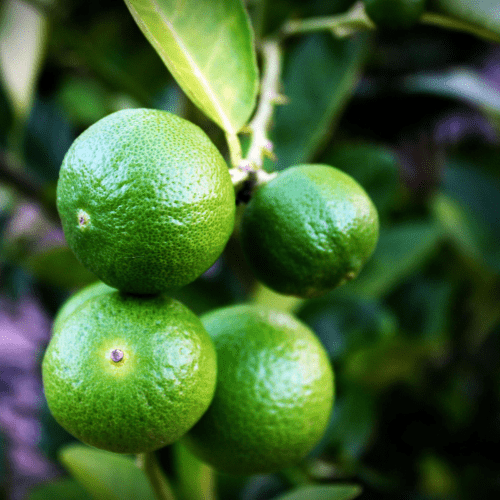
Your lemons are ready to be picked when their skin has turned from green to yellow (or mostly yellow), and they come off the tree when lifted and twisted.