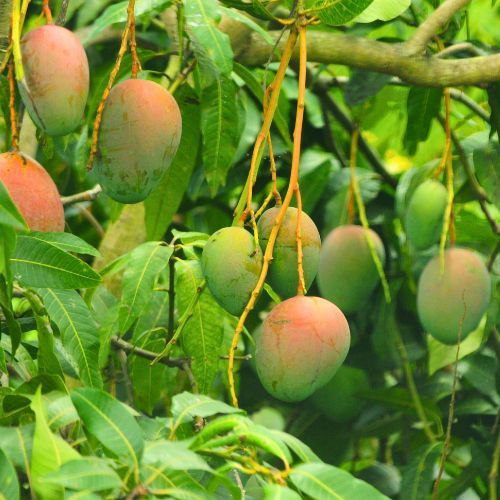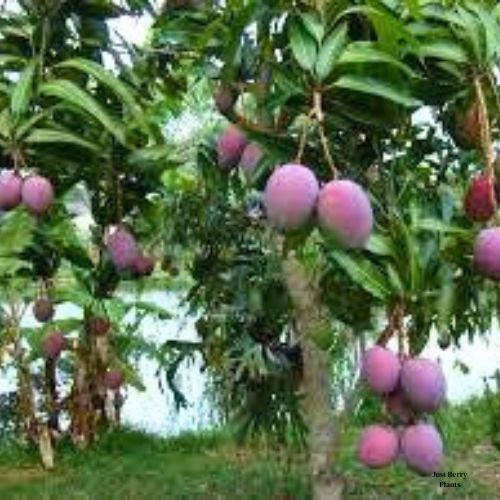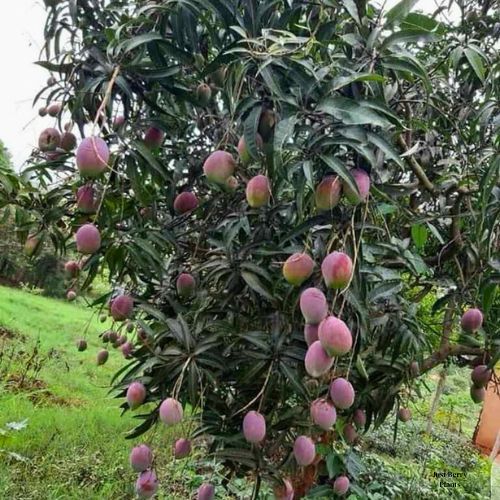
Position
Full sun. At least 6 – 8 hours daily. Cannot tolerate cold or frost, so essential to cover in cooler areas. Space 10-12 m apart or closer if pruned.
Soil
Prefers well-drained, loamy, or sandy soils rich in organic matter with a Neutral pH.
Give your plants the best possible start by adding a bag of Volcanic Rock Dust (R25 per bag) to the soil. Volcanic Rock Dust helps replenish essential minerals and trace elements that have been depleted from our soils over time.
We also recommend adding a bag of Superfrass (R25 per bag) when planting. Superfrass provides a natural source of NPK and micronutrients to encourage strong, healthy growth, while also helping to improve the plant’s natural resistance to pests.
Together, these products help create a nutrient-rich growing environment and give your plants the foundation they need to establish and thrive.
Watering
Regular, consistent moisture is essential for the plant’s health, especially when it is young. Avoid waterlogging, as it can lead to root rot. Do not allow the roots to dry out, as this can cause the plant to wilt and die.
Mulching
Add a thick layer of pine bark mulch, keeping it about 20 to 30 centimetres away from the tree trunk (any closer may cause excess moisture and damage the trunk). Pine Bark mulch helps retain moisture in the soil and prevents weeds.
Fertilising
Apply one teaspoon every 6 months of our slow-release all-plant fertiliser. The roots will absorb what they need.
Pruning
It can be pruned to maintain size and enhance fruit yield.
Pests & Diseases
Major pests include fruit flies, mango mealybugs, thrips, and stone weevils, which damage the fruit and yield. Other significant pests include stem borers, leaf webbers, gall midges, and shoot gall psylla, as well as sap-sucking insects such as mango hoppers and red rust.
Preferably use preventative measures by spraying with agricultural Neem Oil or Effective Microorganisms (EM Control)
Harvesting
You can harvest these mangos in mid-to-late summer. Store ripe mangoes in the fridge to slow down the ripening process.