Position:
Full sun. At least 8 hours a day.
Coratina olives thrive in hot, dry climates with low humidity and perform best in regions with long, warm summers and cool, mild winters.
To produce a reliable crop, they require a winter chilling period of approximately two months. Coratina is more heat- and drought-tolerant than many other olive cultivars, making it particularly well-suited to warmer growing regions.
Size:
Olive trees can grow up to 6 metres in height. The Coratina Olive is a vigorous, upright-growing variety that develops a broad, dense canopy if left unpruned.
Soil Type:
Dry, clayey, slightly acidic soil (pH 5.5 – 6.0). Well-draining soil is essential for olive trees.
Improve Soil Quality at Planting
Give your plants the best possible start by adding a bag of Volcanic Rock Dust (R25 per bag) to the soil. Volcanic Rock Dust helps replenish essential minerals and trace elements that have been depleted from our soils over time.
We also recommend adding a bag of Superfrass (R25 per bag) when planting. Superfrass provides a natural source of NPK and micronutrients to encourage strong, healthy growth, while also helping to improve the plant’s natural resistance to pests.
Together, these products help create a nutrient-rich growing environment and give your plants the foundation they need to establish and thrive.
Mulching:
All fruit trees thrive if they are protected with good-quality mulch. Generous layers of pine bark mulch and green pine needles spread around the tree’s trunk help suppress weeds, slightly lower the pH, and protect the roots from harsh UV rays. Mulch also helps to keep the roots damp. Be careful not to apply mulch too close to the tree trunk, as the water it retains can cause the trunk to rot.
Watering:
Water regularly, especially during the growing season, to improve flowering and fruit development.
Fertilising:
Apply 1 tspn every 4 months of our all-plant slow-release fertiliser, which is ideal (18.9.10 + 2mgO + Trace Elements), a complete, balanced fertiliser.
Add a bag of Volcanic Rock Dust every 4 months as well, as Olive trees require a lot of Calcium and Magnesium.
Pruning:
Coratina olives bear fruit on the previous season’s growth. Remove dead, damaged, or crossing branches, and prune lightly to maintain an open canopy that allows good airflow and sunlight penetration. Annual pruning also encourages consistent fruit production
Harvesting:
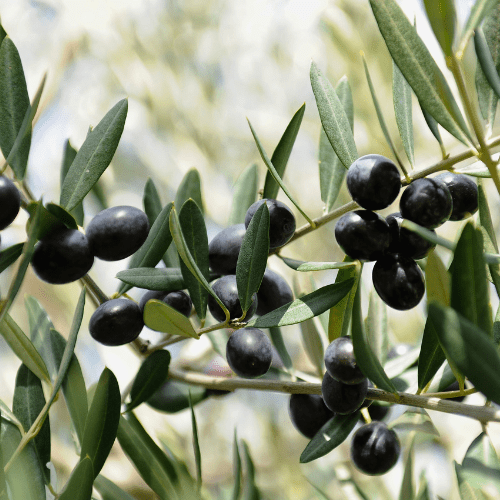
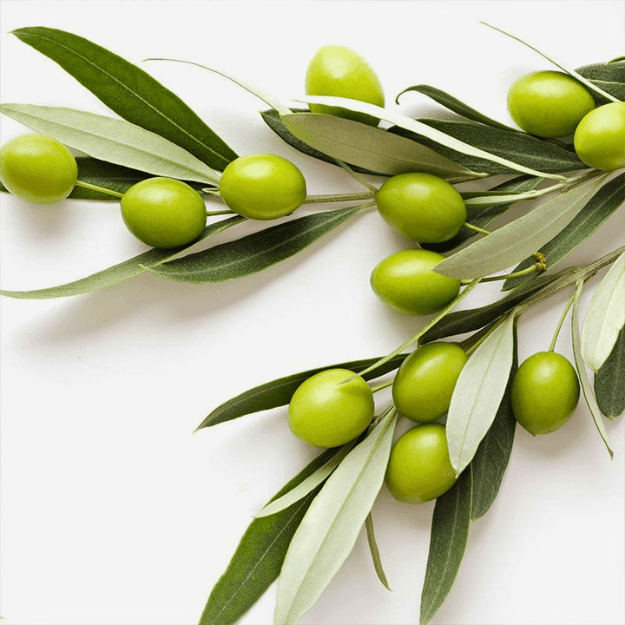
Coratina is prized for producing robust, high-quality extra-virgin olive oil with a rich, peppery flavour and exceptionally high antioxidant content. Harvesting typically takes place when the fruit changes from green to purple-black, depending on the desired oil characteristics.
For oil production, fruit is often harvested while still partially green to maximise flavour and polyphenol content. For fully ripe black olives, harvest once the fruit has turned completely black. Olives should be processed or placed in brine within 3 days of harvesting to maintain quality.
Pests & Diseases:
Watch for Aphids, olive lace bugs, scale insects, and Fungal diseases during wet weather. Spraying regularly with Agricultural Neem Oil or Effective Microorganisms (EM Control) will assist with prevention or after-the-fact control. If you already have aphids or mites, wash the tree with a harsh hosing, and when dry, spray with Neem oil or EM Control.
Practice good garden hygiene (remove fallen fruit and leaves).
Watch for root rot (if overwatered) and fungal infections during wet periods.