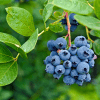
Late-season blueberries begin to blossom in December, with the berries ripening over a period of approximately six weeks. Young plants may take 1–2 years to establish before they begin flowering and producing fruit at the expected time of year.
Step by step picture video on how to plant:
Soil Requirements:
Acidic. Ph between 4.2 and 5 (VERY important) Acid Compost and Berry Mix are not sufficient to reduce the pH of the soil for Blueberry and Cranberry Plants.
Soils included in the blueberry kit:
Lithuanian Peat Moss
Berry Mix
Volcanic Rock Dust
Pine Bark Mulch
slow release berry fertiliser
The only other soil required is a bag of Acid Compost per plant.
Position
Blueberries do best when they’re in full sun and protected from the wind. They will survive in a little shade. If you have more than one blueberry bush, plant them together in a patch, near to one another.
Size
A mature blueberry bush can grow to about 1.5 metres in height, with a spread of about 1 metre.
Soil Type
Blueberries must be grown in acidic, well-drained soil with a pH of approximately 4.5 to 5.5. The growing medium should retain moisture while allowing excess water to drain freely, as blueberry roots do not tolerate waterlogged conditions.
Create a mixture of one bag of our blueberry mix, one bag of pre-soaked Lithuanian Spaghnum Peat Moss, and a bag of Volcanic Rock Dust. These products are packaged in the appropriate quantities for planting one blueberry bush.
Place the prepared mixture into a suitable container or a planting hole approximately 50 x 50 x 50 centimetres.
Gently remove the blueberry plant from its nursery pot, disturbing the roots as little as possible. Plant it at approximately the same depth at which it was growing in the pot. Do not bury the crown or expose the roots. Once planted, the top of the root ball should be approximately level with the surrounding soil.
Mulch
Mulching is particularly beneficial for blueberries because they have shallow, fibrous root systems that are sensitive to drying out.
Apply approximately 5 to 10 centimetres of Pine Bark Mulch around the plant to help conserve soil moisture, suppress weeds, protect the shallow roots and moderate soil temperature.
Keep the mulch slightly away from the base of the plant. Do not pile it directly against the stems, as constantly damp material can encourage rot and disease.
Watering
Blueberries have shallow root systems and need consistent moisture, particularly during establishment, flowering and fruit development.
Water newly planted blueberries thoroughly and check the soil frequently during the first few weeks. Do not rely on a fixed quantity of water, as the amount required will vary considerably with temperature, rainfall, soil type, plant size, and whether the blueberry is growing in a container or in the ground.
Once established, water deeply and regularly enough to keep the root zone consistently moist but never waterlogged. During hot or windy weather, plants may require more frequent watering.
Never allow the root zone to dry out completely. If the growing medium has become very dry, rehydrate it slowly and thoroughly rather than applying a large amount of water all at once.
Where possible, use rainwater or water with a low mineral content. In areas with alkaline water, repeated watering can gradually raise the pH of the growing medium.
Fertilising
Blueberries have sensitive roots and should be fertilised sparingly. Apply 1 teaspoon of our slow-release Berry Fertiliser every 4–5 months. The roots will absorb what they need.
When it comes to fertilising blueberries, less is more. Blueberry plants are sensitive to high concentrations of fertiliser salts, so avoid over-fertilising.
Do not use manure, strong general-purpose fertilisers or concentrated worm-farm liquid on blueberry plants. Coffee grounds should also not be relied upon to provide or maintain the acidic growing conditions blueberries require.
Pruning
Blueberries produce much of their fruit on short shoots growing from wood produced during the previous season, so avoid unnecessarily removing healthy young fruiting wood.
Young blueberry bushes generally require very little pruning. During the first few years, focus on removing only dead, damaged, diseased, or very weak growth so the plant can establish a strong framework.
As the bush matures, usually from around its fourth or fifth year, prune during winter while the plant is dormant. Remove dead or damaged branches, weak and overcrowded growth, and some of the oldest, least productive wood to encourage vigorous new shoots.
Avoid excessive pruning, as removing too much healthy fruiting wood will reduce the following crop. Leaving 10-12 stems would be adequate.
Harvesting
Different blueberry varieties ripen at different times. Choosing a combination of early-, mid- and late-season varieties can considerably extend your harvesting period.
Do not rush to pick blueberries as soon as they turn blue. The berries continue to develop sweetness and flavour after changing colour. Leave them on the bush for several more days.
A fully ripe blueberry should come away from the bush easily with a gentle touch. If you need to pull firmly, give it a little more time to ripen.
Step-by-step picture video on how to plant: