Position
Full sun or partial shade; at least 6-8 hours of direct sunlight per day. Best suited to a tropical climate.
Size
Vigorous growing, semi-woody vine that typically grows 20 meters in length. Prune regularly to control the banana’s highly vigorous, rapid growth.
Soil Type
Loose, well-aerated, well-drained, slightly acidic soil that holds moisture. An ideal mixture is loamy soil, a mixture of sand, silt, and clay. pH 6.0 – 7.0.
Give your plants the best possible start by adding a bag of Volcanic Rock Dust (R25 per bag) to the soil. Volcanic Rock Dust helps replenish essential minerals and trace elements that have been depleted from our soils over time.
We also recommend adding a bag of Superfrass (R25 per bag) when planting. Superfrass provides a natural source of NPK and micronutrients to encourage strong, healthy growth, while also helping to improve the plant’s natural resistance to pests.
Together, these products help create a nutrient-rich growing environment and give your plants the foundation they need to establish and thrive.
Watering
Regular, consistent moisture is essential for the plant’s health, especially when it is young. Bananadilla plants are thirsty. Keep the soil moist but not waterlogged.
Mulching
Add a thick layer of pine bark mulch, keeping it about 20 to 30 centimeters away from the tree trunk (any closer may cause excess moisture and damage the trunk). Pine Bark mulch helps retain moisture in the soil and prevents weeds.
Fertilising
Apply 1 teaspoon of our slow-release all-plant fertiliser every 4 months. The roots will absorb what they need.
Pruning
Practice good garden hygiene (remove fallen fruit and leaves).
Harvesting
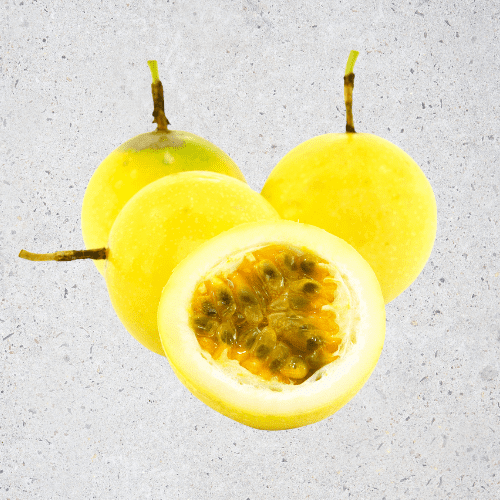
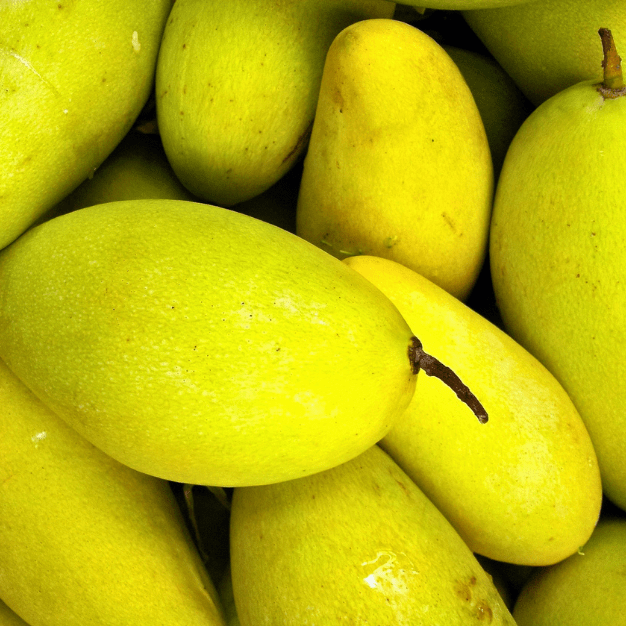
Harvest when the skin changes from green to bright yellow or golden-orange. The skin is more delicate than that of a granadilla, so handle the fruit carefully. A ripe fruit should feel slightly soft and may show light wrinkling. Harvest on a dry day to reduce the risk of fungal infection.
Pests & Diseases
Susceptible to many pests and diseases. Watch out for aphids, mealybugs, brown spot, and woodiness virus. Best to keep a watch and preferably use preventative measures by spraying with agricultural Neem Oil or Effective Microorganisms (EM Control)