
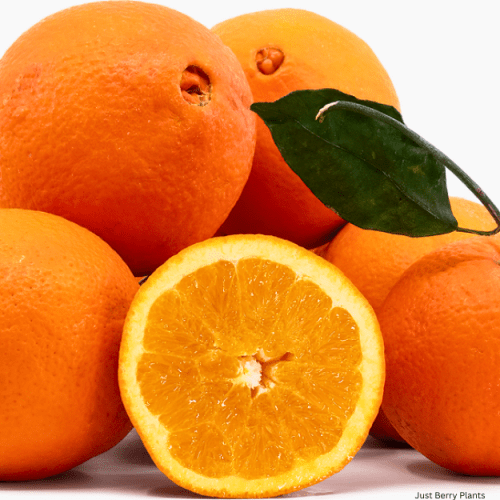
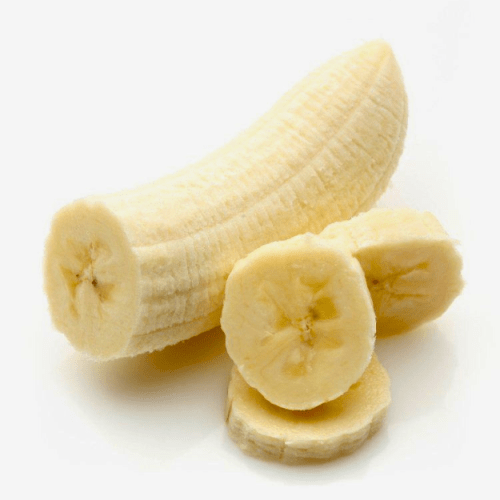
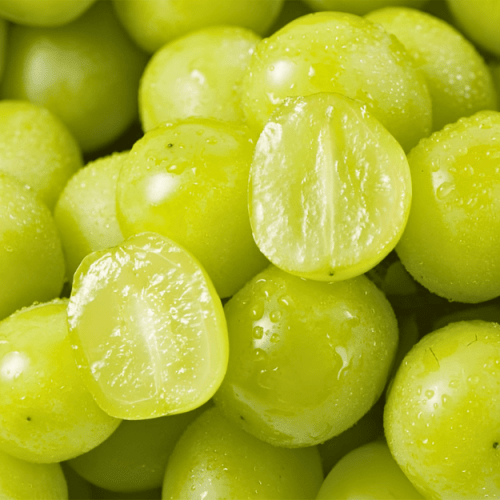
Orange Banana Grape
Seedless fruits like oranges, bananas, and grapes are often misunderstood. Many people assume they are genetically modified organisms (GMOs), but that is not the case.
How Seedless Fruits Are Formed?
Seedless fruits arise through natural biological processes such as parthenocarpy and stenospermocarpy. These traits can develop through natural genetic variation, including natural genetic mutations that occur within plant populations over time.
In some cases, fruits develop without fertilization, a process called Parthenocarpy, while in others, seeds begin to form but do not fully develop, a condition known as Stenospermocarpy.
These naturally occurring variations are part of normal plant development and can appear without any laboratory intervention or genetic engineering. Once these desirable traits emerge, farmers select and cultivate plants that produce high-quality seedless fruit, preserving them through traditional cultivation methods.
Not Genetically Modified
Unlike genetically modified organisms (GMOs), seedless fruit trees are not created by altering DNA in a laboratory. Instead, they result from natural mutations or traditional plant breeding methods that have existed for generations.
In simple terms, nature creates the trait, and farmers preserve it.
How Seedless Fruit Trees Are Reproduced
Since most seedless plants cannot be reliably grown from seed, they are propagated using vegetative (cloning) methods that preserve the characteristics of the parent plant.
Grafting is a technique where one plant’s stem (scion) is joined with another plant’s root system (rootstock). The two plant parts are carefully connected to grow together and form a single plant. This method is commonly used in fruit tree cultivation to propagate varieties with desirable traits. This method requires careful selection and breeding of plants with desired traits.

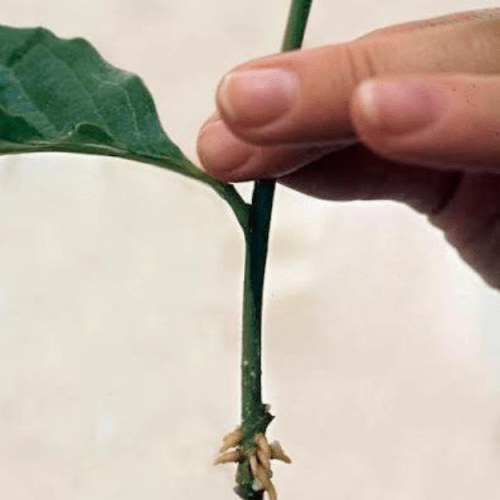
Cuttings:
Cuttings involve planting a stem or branch from the parent plant into soil so it develops roots and grows into an identical new plant.
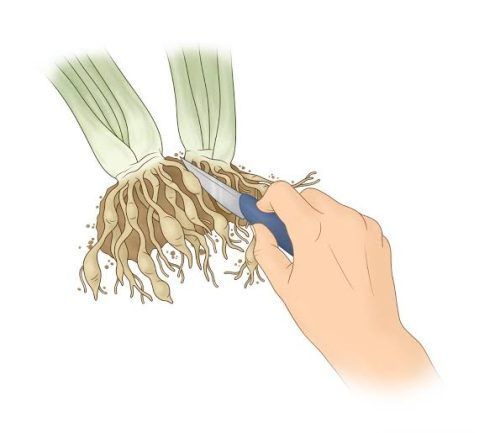
An asexual method where a mature, clumping parent plant is split into two or more smaller sections. Each section, containing viable roots and shoots, is replanted to grow as a completely new, genetically identical plant
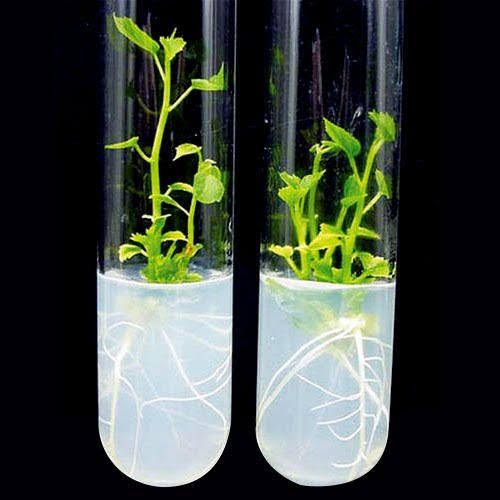
Tissue Culture:
Also known as Micropropagation, which involves growing new plants from tiny pieces of plant tissue in a laboratory setting. This technique allows for the rapid production of large numbers of plants genetically identical to the parent plant.
Air Layering:
involves encouraging a branch or stem of the parent plant to form roots while it is still attached to the main plant. This is done by bending a low-growing branch to the ground and covering a portion of it with soil or by making a small cut or nick on the stem and applying rooting hormone before covering it with soil.

Final Note
Seedless fruits are not genetically modified. They result from natural genetic variation and biological processes, and are maintained through traditional agricultural propagation techniques passed down for generations.