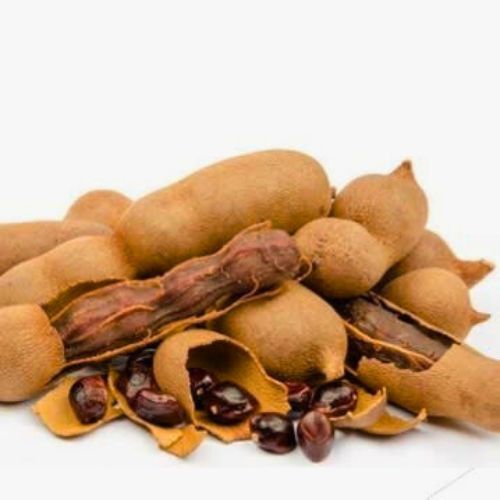
Position
This tree requires a large area in full sun. It is drought resistant and moderately tolerant coastal condtions, making it a good choice for many warm regions.
Size
The Sweet Tamarind can grow up to 25 metres in height in the rght condtions. Growth is relatively slow to moderate, forming a broad, dense, rounded canopy that provides excellent shade.
The tree can be kept smaller with occasional pruning, making harvesting easier.
Soil Type
Well-draining, loamy, sandy and an adapt to clay soil with a neutral pH6-7.5.
Improve Soil Quality at Planting
Give your plants the best possible start by adding a bag of Volcanic Rock Dust (R25 per bag) to the soil. Volcanic Rock Dust helps replenish essential minerals and trace elements that have been depleted from our soils over time.
We also recommend adding a bag of Superfrass (R25 per bag) when planting. Superfrass provides a natural source of NPK and micronutrients to encourage strong, healthy growth, while also helping to improve the plant’s natural resistance to pests.
Together, these products help create a nutrient-rich growing environment and give your plants the foundation they need to establish and thrive.
Watering
Regular, consistent moisture is essential for the plant’s health, especially when it is young. Avoid waterlogging, as it can lead to root rot. Do not allow the roots to dry out, as this can cause the plant to wilt and die.
Mulching
Add a thick layer of pine bark mulch, which helps retain moisture in the soil and prevents weeds. Do not let the mulch touch the plant stem, as it may cause infection or rot.
Fertilising
Apply 1 teaspoon every 4 months of our slow-release all-plant fertiliser. The roots will absorb what they need.
Pruning
Sweet tamarind trees require very little pruning, as they naturally develop a strong, attractive canopy.
- Prune lightly during late winter or early spring before new growth begins.
- Remove dead, diseased, damaged, or crossing branches to maintain tree health.
- Thin out crowded branches to improve air circulation and light penetration.
- Shape young trees by selecting a strong central trunk and well-spaced scaffold branches.
- Remove any suckers or shoots growing from the base of the trunk.
- Mature trees generally only need occasional maintenance pruning. Avoid heavy pruning, as it can reduce flowering and fruit production.
- If necessary, lightly reduce the height after harvesting to keep the tree at a manageable size for easier fruit picking.
Harvesting
Pests and Diseases
Aphids, scale insects, mealybugs, and caterpillars may occasionally attack young shoots and leaves.
Fruit borers and pod-feeding insects can sometimes damage developing pods. Termites may attack stressed or damaged trees.
Generally a hardy, disease-resistant tree when grown in suitable conditions.
Leaf spot and powdery mildew may occasionally develop in humid conditions but are rarely serious.
Good air circulation, proper spacing, and avoiding overwatering help prevent most fungal diseases. Healthy, well-maintained trees experience few serious pest or disease problems.
Best to keep a watch and preferably use preventative measures by spraying with agricultural Neem Oil or Effective Microorganisms (EM Control)