Position
Choose a sunny position where the tree will receive at least 6 to 8 hours of direct sunlight daily. Good sunlight encourages healthy growth, flowering, and fruit development.
Allow approximately 4 to 6 metres between cherry trees and other large trees to accommodate their mature size and provide good air circulation.
Plant the tree at the same depth at which it was growing in its nursery container, keeping the graft union above soil level.
Cherry trees require cold winter conditions and sufficient chilling below approximately 7°C for reliable flowering and fruit production. They are therefore best suited to colder regions. Young trees can be protected from severe frost with frost cloth if necessary, although established dormant cherry trees generally tolerate winter cold well.
Soil
Cherry trees grow best in fertile, well-drained, slightly acidic soil, ideally with a pH of approximately 6.0 to 6.5. Deep, loose soil allows roots to develop properly, and good drainage is particularly important, as cherry trees do not tolerate waterlogged conditions.
Add well-decomposed compost or other organic matter when preparing the planting area to improve soil structure.
Superfrass (R25 per bag) is a natural, high-quality organic growth enhancer and pesticide, and Volcanic Rock Dust(R25 per bag), which contains more than 72 trace elements and minerals, can be added at planting.
Watering
Newly planted trees require consistent watering, but the soil should not be overly wet. Water deeply once a week, allowing the top few inches of soil to dry out between waterings.
Once established, water the top 1-2 inches of soil when it feels dry to the touch. Reduce frequency during cooler months. Over-watering can lead to root rot.
Mulching
Apply approximately 5 cm of pine bark mulch around the tree to help retain soil moisture, regulate soil temperature, and suppress weeds.
Keep the mulch away from the trunk rather than piling it against the bark, as constant moisture around the trunk can encourage rot and disease.
Fertilising
Apply one teaspoon every 4-5 months of our slow-release, all-purpose fertiliser. The roots will absorb what they require.
Pruning
Prune Stella Cherry to maintain a manageable size and an open, well-balanced shape. Remove dead, damaged, diseased, crossing or inward-growing branches to improve air circulation and allow sunlight into the centre of the tree.
Cherry trees are generally best pruned during dry weather, preferably after harvesting or during active growth, rather than during cold, wet winter conditions. This helps reduce the risk of bacterial and fungal diseases entering through pruning wounds.
Light summer pruning can also help control the tree’s size. Avoid excessive pruning, as cherries do not respond as well to heavy pruning as some other deciduous fruit trees.
Pests and Diseases
Watch for common cherry pests such as aphids, scale insects, and mites. Regular inspection helps you treat infestations before they become severe.
Cherry trees can also be affected by fungal and bacterial diseases, particularly during prolonged wet or humid conditions. Good air circulation, correct pruning, garden hygiene, and avoiding overwatering will help reduce disease problems.
Agricultural Neem Oil or Effective Microorganisms (EM Control) will assist in either prevention or after the fact.
If aphids or mites are present, you can first dislodge them with a strong spray of water, and when dry, spray with Neem oil or EM Control.
Harvesting
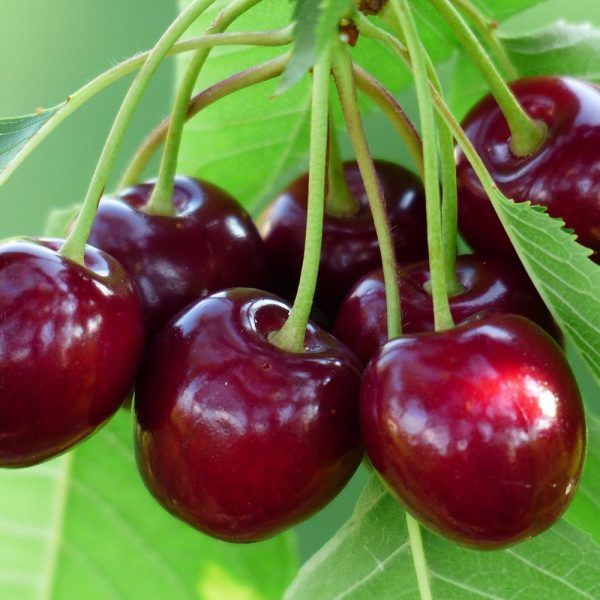
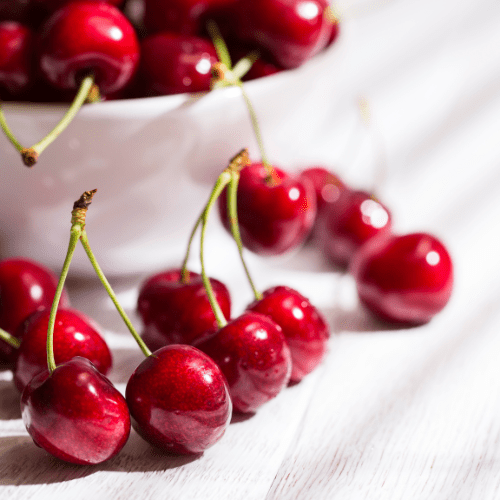
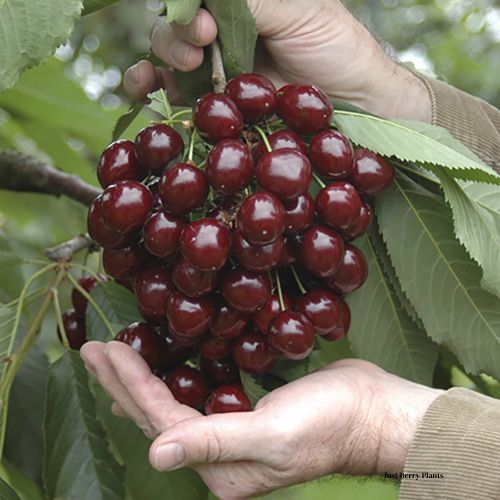
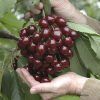
Stella cherries are ready to harvest when they have developed their characteristic deep red to dark red colour, are plump and juicy, and have developed their full sweet-tart flavour.
Cherries do not continue to ripen significantly after picking, so allow them to ripen fully on the tree for the best flavour.
Pick the cherries carefully, preferably with their stems attached, to reduce damage and improve storage life.