Position
Plant your apricot tree in a position that receives full sun, ideally at least 6–8 hours of direct sunlight per day. Although apricot trees can tolerate some light shade, good sunlight is important for vigorous growth, flowering, and fruit production. Choose a sheltered position where the tree is protected from strong winds, which can damage branches and flowers.
Size
Apricot trees can grow to approximately 8–10 metres when allowed to reach their natural size. Plan the planting position carefully, allowing sufficient space between the tree, buildings, electrical lines and other trees. Regular pruning can keep the tree at a more manageable height and make harvesting easier.
Soil Type
Apricot trees grow well in most fertile, well-draining soils and prefer a slightly neutral to mildly alkaline soil with a pH of approximately 6.0–7.5. Good drainage is particularly important, as apricot trees do not tolerate waterlogged soil.
Before planting, loosen the soil deeply to encourage good root development, but avoid planting the tree deeper than it was growing in its nursery container. Plant the root ball at the same level as it was previously growing, with the graft union remaining well above the soil.
Improve soil quality by adding a bag of Volcanic Rock Dust (R25 per bag), which replaces minerals and trace elements that our soils have lost. Also add a bag of Superfrass (R25 per bag) at planting to boost nutrients (NPK and micronutrients) and support strong, healthy growth while also helping protect against pests.
Watering
Water your apricot tree thoroughly immediately after planting. For the first few weeks, water regularly to keep the soil evenly moist while the roots establish. In hot or dry weather, water approximately twice a week, depending on the soil type and weather conditions.
Once established, apricot trees are relatively drought-tolerant, but they benefit from regular deep watering during periods of active growth and fruit development. Let the soil dry slightly between waterings, and avoid keeping the roots constantly wet, as waterlogged soil can lead to root problems.
Mulching
Apply a layer of organic mulch around the tree to help retain soil moisture, regulate soil temperature, and reduce weed growth.
Use from 2 to 5 centimeters of pine bark mulch to protect the roots from UV damage and drying out. It retains moisture and maintains an optimal pH. Do not let the mulch touch the plant stem, as it may cause infection or rot.
Fertilising
Apply our slow-release all-plant fertiliser. Apply 1 teaspoon every 4-5 months. The roots will absorb what they need.
Alternatively, apply a balanced fertiliser (such as 10-10-10) in early spring before new growth begins. Thereafter, fertilise annually in early spring.
Pruning
Prune apricot trees to maintain a manageable size, encourage an open canopy and allow sunlight and air to reach the centre of the tree. Remove dead, damaged or diseased branches whenever necessary.
Major pruning is best carried out during dry weather after harvest, rather than during wet winter conditions, as apricot trees can be susceptible to fungal and bacterial diseases entering through pruning cuts. Avoid removing too much healthy wood at one time, as apricots fruit on older wood as well as newer growth.
Pests and Diseases
Watch for pests such as aphids, tree borers, and spider mites.
Treat promptly or preferably use preventative measures by spraying with agricultural Neem Oil or Effective Microorganisms (EM Control)
Spray EM Control regularly as a preventive against fruit flies. Start spraying the leaves as soon as they regrow in Spring and continue when they start bearing fruit.
Harvesting
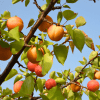
Apricots are ready to harvest when the fruit has developed its characteristic yellow to orange colour, feels slightly soft when gently pressed and has developed its full flavour and aroma. Unlike some fruits, apricots develop their best flavour when allowed to ripen properly on the tree.
Handle ripe apricots carefully, as they bruise easily. If picked slightly firm, they can continue to ripen at room temperature. Once ripe, store them in a cool place or refrigerate them to extend their shelf life.