Position
Miracle Berry plants prefer partial shade or bright, filtered sunlight, particularly when young. Morning sun is beneficial, but protect the plant from intense afternoon sun, especially in very hot climates.
Choose a warm, sheltered position protected from strong winds, which can dry out the plant and damage its leaves. Miracle Berry is a tropical plant and should also be protected from frost.
Container Growing:
Miracle Berry plants are well suited to container growing, particularly in areas with cold winters, as the plant can be moved to a warmer, protected position when necessary. Choose a sufficiently large container with excellent drainage.
Soil:
Miracle Berry requires acidic, well-drained soil, ideally with a pH of approximately 4.5–5.8. The plant does not perform well in alkaline soil.
Adding our Lithuanian Spaghnum Peat Moss will ensure the correct soil acidity; Acid compost is not sufficient.
Mulching:
Apply a layer of pine bark mulch around the plant to help retain soil moisture, protect the roots, and maintain acidic growing conditions. Keep the mulch slightly away from the stem to reduce the risk of rot.
Watering:
Keep the soil consistently moist but never waterlogged. Miracle Berry plants prefer humid conditions and do not like their roots to dry out completely.
Watering frequency will depend on the weather, whether the plant is growing in the ground or a container, and how quickly the soil drains. Reduce watering during cooler weather when the plant is growing more slowly.
Fertilising:
Use a balanced, water-soluble fertiliser during the growing season (spring and summer) to support healthy growth. Our slow-release berry fertiliser is ideal as the plant will absorb what it requires.
Pruning:
Miracle Berry generally requires very little pruning. Prune lightly to maintain the desired shape and encourage a bushier plant.
Remove dead, damaged or diseased branches when necessary. Selective pruning can also help maintain an open canopy and improve airflow through the plant.
Pests and Diseases:
Miracle Berry plants may occasionally be affected by scale insects, mealybugs, aphids and mites. Inspect the leaves regularly, especially the undersides so that you can treat infestations early.
Spraying regularly with Agricultural Neem Oil or Effective Microorganisms (EM Control ) will assist in either prevention or after the fact. If you already have aphids or mites, wash the tree with a harsh hosing, and when dry, spray with Neem oil or EM Control.
Practice good garden hygiene (remove fallen fruit and leaves). Watch for root rot (if overwatered) and fungal infections during wet periods.
Harvesting:
Miracle Berry plants may begin producing fruit approximately 2–3 years after planting, although this will depend on the age of the plant and its growing conditions.
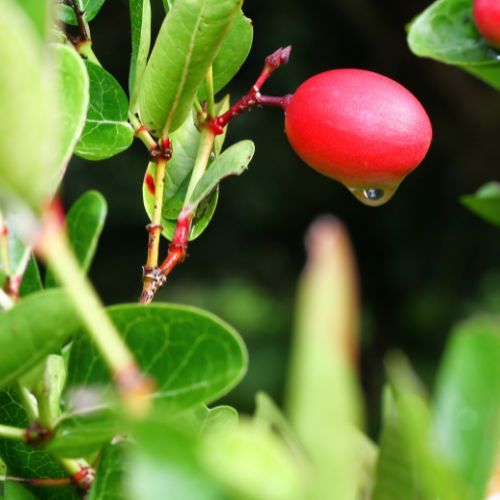
The berries are ready to harvest when they develop their characteristic bright red colour. Pick the ripe fruit gently by hand.
Winter Care:
Miracle Berry is a tropical plant and is sensitive to frost and prolonged cold. In colder regions, grow the plant in a container so you can move it into a warm, sheltered position during winter.
Position outdoor plants in a protected microclimate, and provide extra frost protection when very cold weather is expected. Move indoors to a light room, but avoid direct sunlight.