Position
Full sun to partial shade. Best grown in a warm, frost-free position with protection from strong winds.
Size
Grows 60 cm – 1 metre tall with a spread of up to 1 metre.
Soil Type
Prefers fertile, well-drained, sandy or loamy soil enriched with plenty of compost. Avoid waterlogged soils.
Adding half a bag of Volcanic Rock Dust and a bag of Superfrass will help promote rapid growth.
Watering
Water regularly to keep the soil evenly moist, particularly during active growth. Reduce watering once the foliage begins to die back before harvest.
Mulch
Apply a 5–10 cm layer of pine bark mulch around the root zone. Mulch helps conserve moisture, regulate soil temperature, and improve soil fertility.
Fertilising
Apply 1 teaspoon every 4 months of our slow-release all-plant fertiliser. The roots will absorb what they need. Avoid excessive nitrogen, which encourages leafy growth at the expense of tuber production.
Pruning
No pruning is required. Remove dead or damaged foliage as needed to improve airflow and plant health.
Harvesting
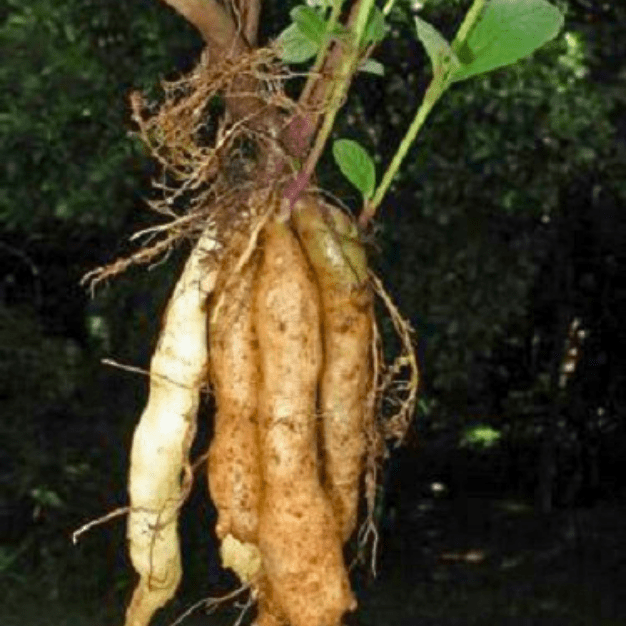
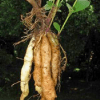
Tubers are ready to harvest approximately 6–8 months after planting, once the foliage has yellowed and died back. Carefully lift the plant with a garden fork to avoid damaging the tubers. Harvest before the first frost in cooler regions.
Pests & Diseases
Generally a hardy crop with few serious problems. Slugs and snails may damage young shoots, while root rot can occur in poorly drained soils. Good drainage, crop rotation and healthy soil help minimise disease problems.
Preferably use preventative measures by spraying with Organic agricultural Neem Oil or Effective Microorganisms (EM Control)