
Position:
Full sun. At least 8 hours a day. They do not enjoy humidity and grow best in regions with hot, dry summers and mild but cool winters.
To bear fruit, they need a two-month dormancy period of cool weather. The Leccino olive tolerates cold better than most olive cultivars.
Size:
Olive trees can grow up to 6 metres in height. The Leccino Olive grows more like a tree than a bush, with a dense canopy.
Soil Type:
Dry, clayey, slightly acidic soil (pH 5.5 – 6.0). The soil MUST be well-draining, which is essential for olive trees.
Add a bag of acid compost to the soil, along with half a bag of our Volcanic Rock Dust (R25 per bag) and a bag of Superfrass (R25 per bag). This combination will facilitate rapid growth while also protecting the roots from insect damage.
Mulching:
All fruit trees thrive if they are protected with good-quality mulch. Generous layers of pine bark mulch and green pine needles spread around the trunk of the tree help eradicate weeds, slightly lower the pH, and protect the roots from harsh UV rays. Mulch also helps to keep the roots damp. Be careful not to apply mulch too close to the tree trunk, as the water it retains can cause the trunk to rot.
Watering:
Water regularly, especially during the growing season, to improve flowering and fruit development.
Fertilising:
Apply 1 tspn every 4-5 months of our all-plant slow-release fertiliser, which is ideal (18.9.10 + 2mgO + Trace Elements), a complete, balanced fertiliser.
Add a bag of Volcanic Rock Dust every 4 months as well, as Olive trees require a lot of Calcium and Magnesium.
Pruning:
Olive trees produce fruit on the previous year’s branches. Obviously, dead and dried branches need to be cut away. Prune lightly to open the canopy.
Harvesting:
Leccino, harvested before the fruit is ripe, produces an excellent-quality extra-virgin olive oil with a delicate, sweet, fruity flavour. The oil content of olives reduces as the fruits ripen.
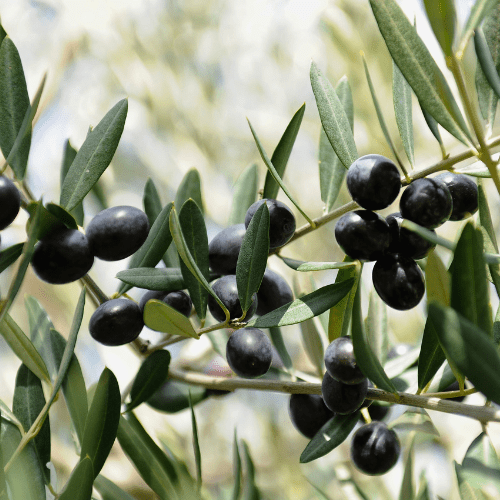
All olives start out green, then gradually ripen to a pinkish colour and then to dark purple. The time you harvest them depends on what the olives will be used for.
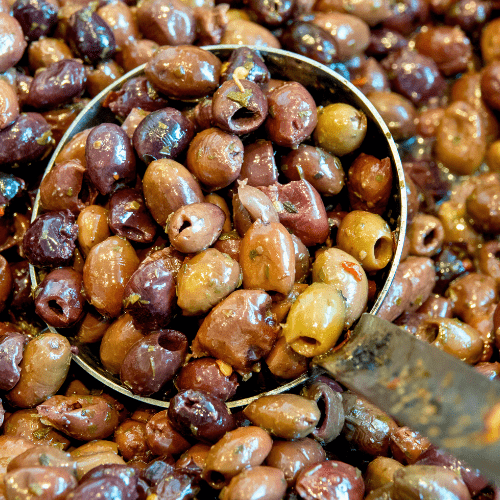
Pick olives when fully ripe and black for black table olives. Olives must either be put in brine or pressed to make oil within 3 days of harvesting. Otherwise, they turn sour.
Pests & Diseases:
Aphids, citrus psylla, red scale, citrus greening. Spraying regularly with Agricultural Neem Oil or Effective Microorganisms (EM Control) will assist with prevention or after-the-fact control. If you already have aphids or mites, wash the tree with a harsh hosing, and when dry, spray with Neem oil or EM Control.
Practice good garden hygiene (remove fallen fruit and leaves).
Watch for root rot (if overwatered) and fungal infections during wet periods.