Position
Plant in full sun to partial shade and choose a sheltered position protected from harsh afternoon sun in very hot climates. It performs best in warm temperate to subtropical regions and appreciates protection from strong winds and heavy frost.
Size
This fast-growing shrub typically reaches 3–4 m tall and 1.2- 1.5m wide, forming an attractive arching habit with lush green foliage.
Soil Type
Prefers well-drained, fertile soil enriched with organic matter. Adaptable to sandy, loamy, and clay-based soils. For optimal growth, incorporate a bag of acid compost to maintain a soil pH of 5.5–7.5.
Give your plants the best possible start by adding a bag of Volcanic Rock Dust (R25 per bag) to the soil. Volcanic Rock Dust helps replenish essential minerals and trace elements that have been depleted from our soils over time.
We also recommend adding a bag of Superfrass (R25 per bag) when planting. Superfrass provides a natural source of NPK and micronutrients to encourage strong, healthy growth, while also helping to improve the plant’s natural resistance to pests.
Together, these products help create a nutrient-rich growing environment and give your plants the foundation they need to establish and thrive.
Watering
Water regularly while establishing. Once established, the plant is moderately drought-tolerant but will produce more vigorous growth and heavier berry crops with consistent moisture during dry periods.
Mulching
Apply a 2–5 cm layer of Pine Bark Mulch around the base of the plant to conserve moisture, suppress weeds, and regulate soil temperature. Keep mulch away from the main stems to prevent rot.
Fertilising
Feed with our slow-release nitrogen-rich all plant fertiliser. Apply 1 teaspoon every 4-5 months.
Pruning
Prune after fruiting to maintain shape and size, improve airflow, and encourage fresh growth. Remove any dead, damaged, or overcrowded branches as needed.
Pests & Diseases
Generally hardy and pest-resistant. Occasionally affected by aphids, scale insects, or fungal diseases in humid conditions. Ensure good airflow and avoid overwatering to minimize problems.
Apply agricultural Neem Oil or Effective Microorganisms (EM Control) as part of a preventative care program to help protect plants from common pests and diseases.
Harvesting
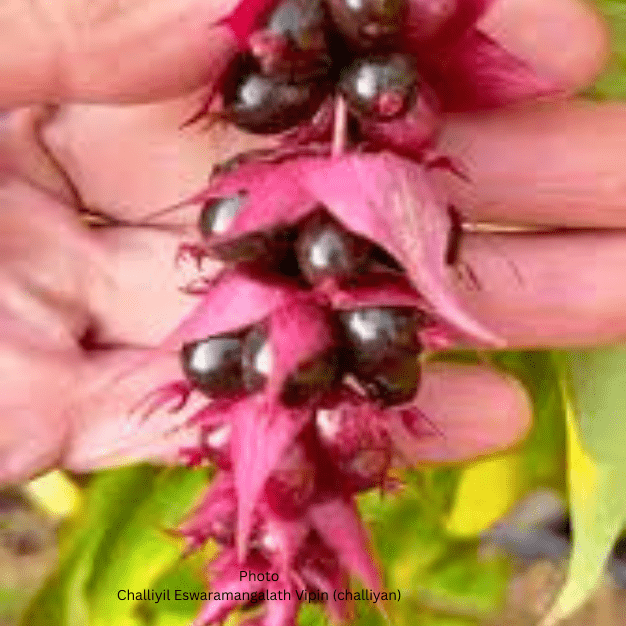
The berries ripen from green to deep burgundy-purple and are best harvested when fully coloured and slightly soft. Pick regularly during the fruiting season for the best flavor.