Position
Full sun is essential for strong growth and good fruiting. Best grown in frost-free, warm tropical to subtropical climates with good air circulation.
Full sun is essential for strong growth and good fruiting. Best grown in frost-free, warm tropical to subtropical climates with good air circulation.
Size
Fast-growing deciduous fruit tree, approximately 8–20 m tall, often smaller in cultivation with pruning.
Fast-growing deciduous fruit tree, approximately 8–20 m tall, often smaller in cultivation with pruning.
Soil Type
Golden Apple (Spondias cythera) grows best in soil with a pH range pH 5.5–7.0 for optimal growth and fruit production. Slightly acidic to neutral soil and is quite adaptable and can tolerate mildly alkaline conditions, but growth and nutrient uptake may be reduced if the soil is too far outside this range.
For best results, ensure the soil is also well-drained, as waterlogging is more limiting than minor pH variations for this species.
Adding half a bag of our Volcanic Rock Dust (R25 per bag) and a bag of Superfrass (R25 per bag) at planting time helps replenish essential minerals and nutrients in the soil, encourages vigorous growth, and provides natural protection against root-feeding insects.
Watering
Moderate watering once established. Young trees need regular
Moderate watering once established. Young trees need regular
deep watering. Mature trees are fairly drought-tolerant but produce better fruit with consistent moisture during flowering and fruiting.
Mulch
Apply a 2–5 cm layer of Pine Bark Mulch around the base of the plant to conserve moisture, suppress weeds, and regulate soil temperature. Keep mulch away from the main stems to prevent rot.
Apply a 2–5 cm layer of Pine Bark Mulch around the base of the plant to conserve moisture, suppress weeds, and regulate soil temperature. Keep mulch away from the main stems to prevent rot.
Fertilising
Feed 2–3 times per year with a balanced fertiliser or compost-rich manure. Increase potassium and phosphorus during flowering and fruiting for better yield.
Feed 2–3 times per year with a balanced fertiliser or compost-rich manure. Increase potassium and phosphorus during flowering and fruiting for better yield.
Apply 3 teaspoon every 4-5 months of our slow-release nitrogen-rich all plant fertiliser.
Pruning
Prune when young to develop a strong framework. Light annual pruning after harvest helps control size, remove dead wood, and improve airflow.
Prune when young to develop a strong framework. Light annual pruning after harvest helps control size, remove dead wood, and improve airflow.
Harvesting
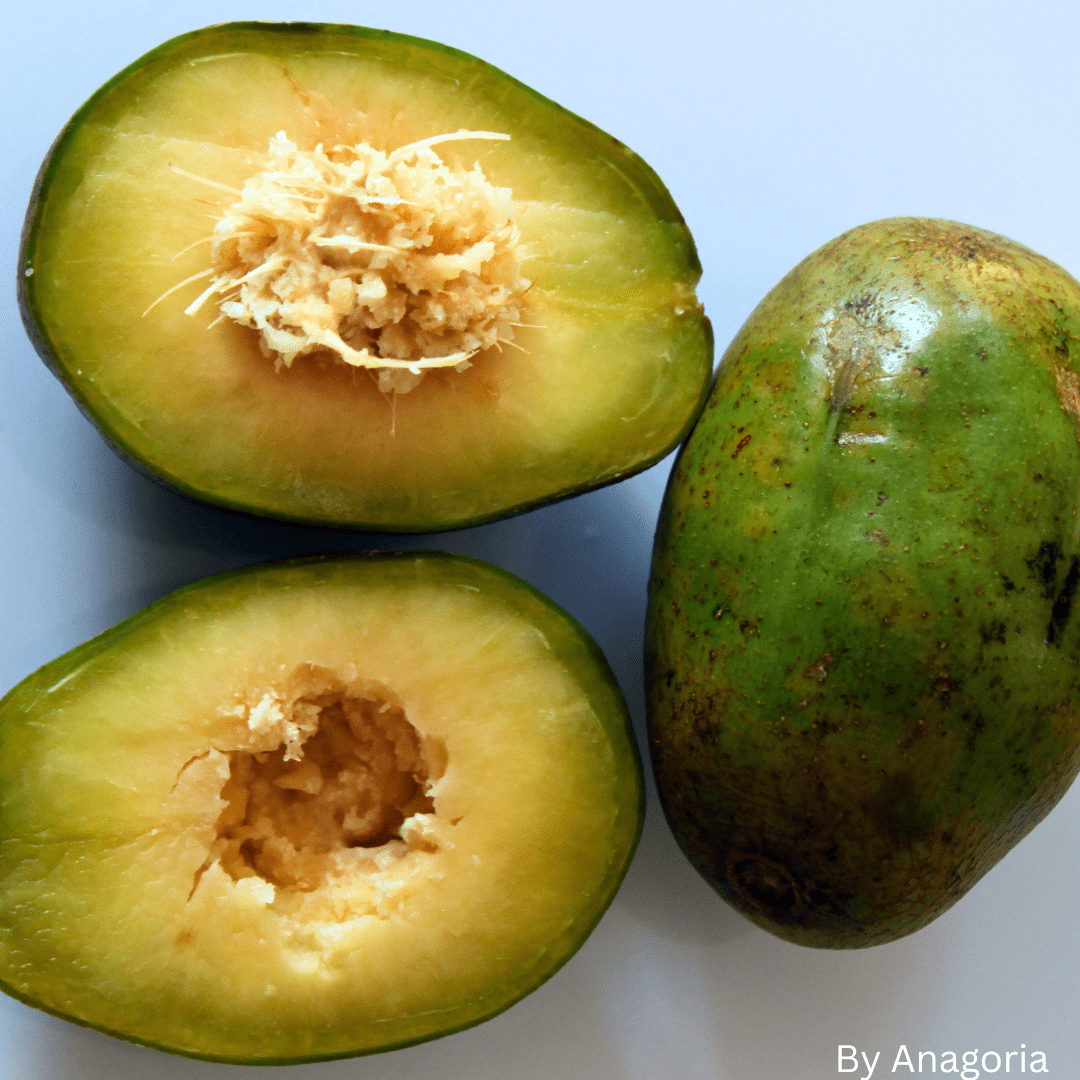
Harvest fruit when it turns yellow-orange and slightly soft. Pick mature green for pickling or allow it to fully ripen for fresh eating. Season varies by climate.
Harvest fruit when it turns yellow-orange and slightly soft. Pick mature green for pickling or allow it to fully ripen for fresh eating. Season varies by climate.
Pests & Diseases
Generally hardy. It may be affected by fruit flies, aphids, scale insects, and mealybugs. Fungal issues can occur in humid conditions if airflow is poor or the soil is too wet.
Generally hardy. It may be affected by fruit flies, aphids, scale insects, and mealybugs. Fungal issues can occur in humid conditions if airflow is poor or the soil is too wet.
Apply agricultural Neem Oil or Effective Microorganisms (EM Control) as part of a preventative care program to help protect plants from common pests and diseases.