
Position:
Dwarf Meiwa Kumquat trees are easy to grow and thrive in full sun. They can tolerate some coastal conditions but may need extra care in areas exposed to salt spray. Established trees can tolerate temperatures down to approximately -5°C for short periods, but young trees and container-grown trees are more sensitive to cold and should be protected from frost and freezing temperatures.
Plant your kumquat tree in a warm position sheltered from strong, cold winds. Planting near a building or wall can provide additional protection. Allow about 2-3 resm of space around the tree for healthy growth and good airflow.
Soil Type:
Kumquat trees require a pH of between 5.5 – 7 which is slightly acidic. Add a bag of acid compost and ensure the soil fertile and well-draining. Avoid areas where water tends to collect, as consistently wet soil can lead to root rot.
Superfrass (R25 per bag) is a natural, high-quality organic growth enhancer and pesticide, and Volcanic Rock Dust(R25 per bag), which contains more than 72 trace elements and minerals, can be added at planting.
Size:
Our Dwarf Meiwa Kumquat trees grow to about 2 metres tall, depending on growing conditions and pruning.
When growing your kumquat in a container, choose a pot at least 50 cm in diameter and depth, the larger the container, the better, with adequate drainage holes. Repot every 2–3 years, or when the roots become crowded, to refresh the growing medium and allow room for healthy root growth.
Watering:
Water your kumquat regularly, especially during hot, dry weather. Established trees generally need watering about once a week when there has been no rain, although container-grown trees may require more frequent watering.
Let the soil dry slightly between waterings, and avoid keeping the roots constantly wet. Good airflow and well-draining soil will also help reduce the risk of fungal problems and root rot.
Mulching:
Dwarf Kumquat trees will benefit from 2 to 5 centimetres of pine bark mulch. Mulch helps retain soil moisture, regulate soil temperature, suppress weeds, and protect the roots from drying out.
Do not let the mulch touch the plant stem, as it may cause infection or rot.
Fertiliser:
Kumquat trees need a fertiliser that is high in nitrogen added through the winter to spring. To get the most out of your tree, apply our slow-release fertiliser, which is excellent for citrus; This fertiliser is for all plants/trees.
Yellowing leaves can have several causes, including nutrient deficiencies, overwatering, poor drainage, or unsuitable soil conditions. Use Epsom salts only when magnesium deficiency is suspected or confirmed, not as a routine treatment.
Pests and Diseases:
Kumquat trees can be affected by pests such as aphids, citrus psylla, scale insects, and mites. Citrus greening (Huanglongbing) is a serious citrus disease spread by psyllids.
Regularly inspect your tree for signs of pests and practice good garden hygiene by removing fallen leaves and fruit. If aphids or mites are present, spray the tree thoroughly with water to dislodge the insects. Once the foliage has dried, treat with Agricultural Neem Oil or Effective Microorganisms (EM Control )
pray the leaves regularly with these products as a preventative measure.
Good drainage is essential, as overwatering can cause root rot. Fungal problems can also become more common during prolonged wet weather.
Pruning:
Dwarf Meiwa Kumquat trees require relatively little pruning. Prune to maintain the desired shape and size and remove dead, damaged, diseased, or crossing branches. Light pruning also helps improve airflow and sunlight penetration through the canopy.
Remove any shoots growing from below the graft union, as these are rootstock growth and should not be allowed to develop.
Harvesting:
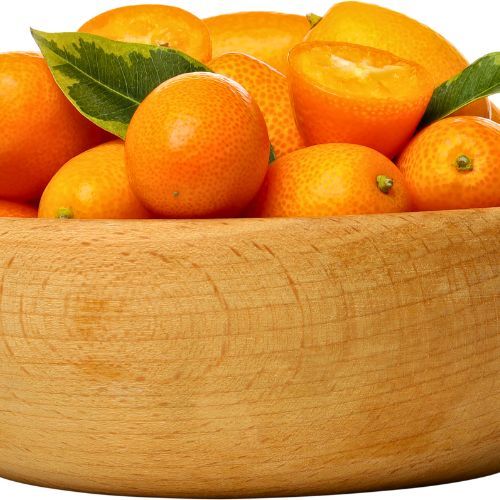
Meiwa Kumquats are usually ready to harvest when the fruit has developed a vibrant orange colour and feels slightly soft when gently squeezed. Unlike most citrus, the sweet peel is an important part of the fruit, and ripe kumquats can be eaten whole.
Harvest the fruit by gently twisting it from the tree or using clean pruning shears to cut the stem. Avoid pulling or damaging the branches, as this can unnecessarily injure the tree.