

Position
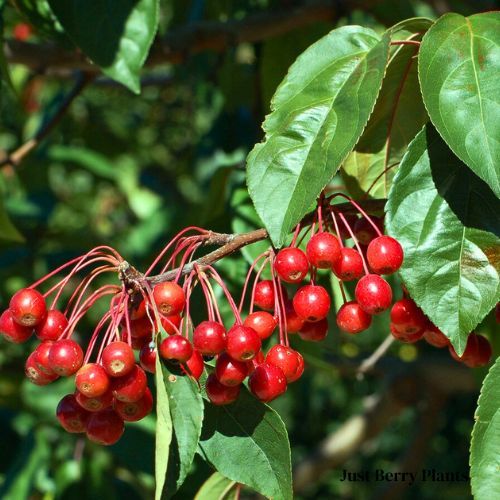
Crab apple trees grow best in full sun, where they will flower and fruit most abundantly. In very hot climates, some afternoon shade can help protect the tree from excessive summer heat. Choose a position with good airflow and well-drained soil.
Size
Depending on the variety, crab apples can grow as small trees or large shrubs, generally reaching between 3 and 7.5 metres high. Regular pruning can be used to maintain a smaller, more manageable tree if required.
Soil Type
Crab apples are adaptable to a range of soil types but perform best in fertile, well-drained loamy soil enriched with organic matter.
A slightly acidic to neutral soil with a pH of approximately 5.5–7.0 is ideal, although established trees can tolerate conditions outside this range provided the soil drains well.
Watering
Young crab apple trees require regular watering while their root systems become established. Water deeply around the root zone rather than giving frequent, shallow watering.
During hot or dry weather, check the soil regularly and water when the upper few centimetres begin to dry. Established trees are reasonably tolerant of short dry periods but will flower and fruit better when they receive adequate moisture.
Avoid overwatering or allowing the roots to remain in waterlogged soil.
Mulching
Mulch helps conserve soil moisture, regulate soil temperature, suppress weeds, and gradually add organic matter to the soil.
Apply a 2–5 cm layer of pine bark mulch to protect the roots from UV damage and drying out. It retains moisture, and maintains an optimal pH.
Keep the mulch approximately 5 cm away from the trunk, as mulch piled against the bark can retain excessive moisture and encourage rot, fungal disease, and pests.
Fertilising
Apply 1 teaspoon every 4-5 months of our slow-releaseall-plant fertiliser. The roots will absorb what they need.
Pests and Diseases
These trees are relatively low-maintenance but can suffer from diseases such as apple scab or fire blight. Regular pruning helps maintain their shape and health.
Preferably use preventative measures by spraying with agricultural Neem Oil or Effective Microorganisms (EM Control)