
Position
Thrive in full sun, with at least 6-8 hours of sunlight every day.
Soil
Alpha apricot trees best in well-draining soil with a slightly acidic to neutral pH. Adding organic matter can improve soil quality and drainage.
Adding half a bag of Volcanic Rock Dust and a bag of Superfrass will help promote rapid growth. These two products also protect the roots from insect damage.
Watering
Newly planted apricot trees need consistent moisture for root establishment. Mature trees are drought-tolerant but still require regular watering, about 2-3 times per week.
Water deeply to encourage deep root growth. Drip irrigation systems and soaker hoses are effective for providing consistent moisture. Water at the tree’s base to avoid wet foliage and reduce the risk of fungal diseases.
Mulching
Use from 2 to 5 centimeters of Pine Bark Mulch to protect the roots from UV damage and drying out. It retains moisture and maintains an optimal pH. Do not let the mulch touch the plant stem, as it may cause infection or rot.
Fertilising
Apply our slow-release all-plant fertilizer. Apply 1 teaspoon every 4-5 months. The roots will absorb what they need.
Alternatively, apply a balanced fertilizer (such as 10-10-10) in early spring before new growth begins. Thereafter, fertilize annually in early spring.
Pruning
Pruning is important for maintaining shape and encouraging airflow, which helps prevent diseases.
For young trees, establish a strong framework; for mature trees, maintain the desired shape. When making cuts, cut back to a healthy bud and at a slight angle to promote healing. If the tree is getting too tall or too wide, prune it to keep it manageable.
Remove no more than 20-30% of the tree’s canopy at one time. Over-pruning can stress the tree and reduce fruit production.
Pests and Diseases
Watch for pests like aphids, tree borers, and spider mites.
Treat promptly, or, preferably, use preventive measures by spraying with agricultural Neem Oil or Effective Microorganisms (EM Control). Spray EM Control regularly against fruit flies. Start spraying the leaves as soon as they regrow in Spring, and continue when they begin to fruit.
Harvesting
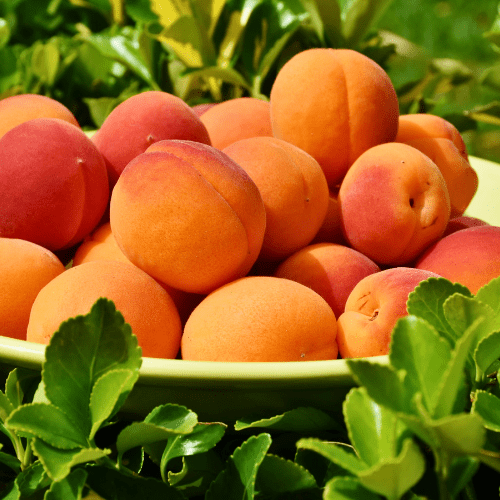
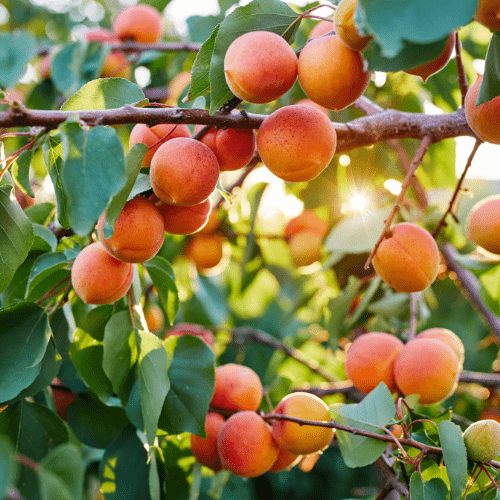
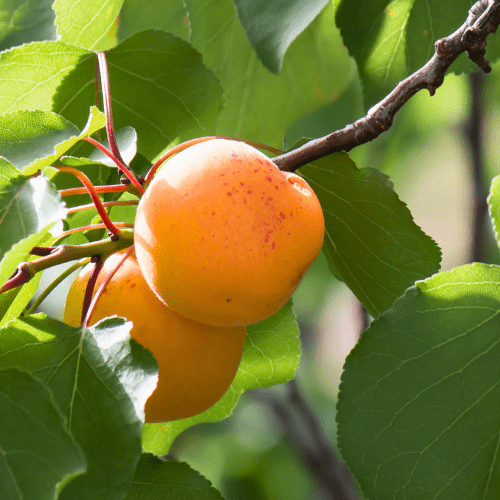
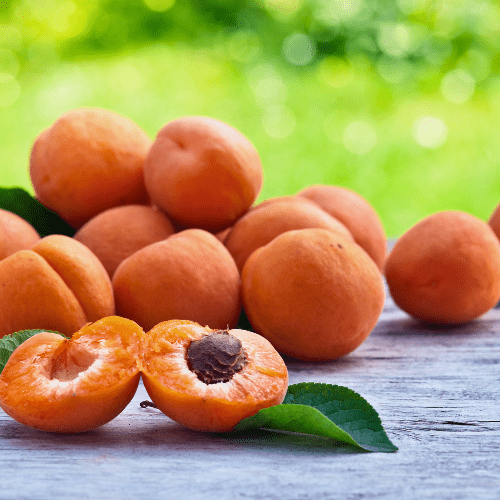
Apricots are typically ready for harvest in mid to late summer, depending on the climate. The fruit should be picked when fully ripe for the best flavor.
Fresh apricots should be stored in a cool place. For optimal flavor and texture, they are best consumed shortly after harvest.