Position
Plant your cherry tree in full sun, where it will receive at least 6 to 8 hours of direct sunlight daily. In South Africa, a cooler, south-facing position can be beneficial in warmer areas, as it may help reduce winter heat exposure and support the tree’s chilling requirements.
If planting your dwarf cherry in a container, a large pot is best for long-term growth.
Size
Due to the dwarfing rootstock used, the tree can grow to about 3 metres high and 2 metres wide when mature. Its compact size makes it an excellent choice for smaller gardens and container growing.
Soil type
Cherry trees grow best in fertile, well-drained soil with a slightly acidic pH of approximately 6.0 to 6.5. Avoid soil that remains soggy for prolonged periods, as cherry trees are susceptible to root rot.
For container growing, use a good-quality, well-draining potting soil and compost mixture. When planting, keep the tree at the same depth it was at in its nursery container. Do not bury the trunk or graft union.
Superfrass (R25 per bag) is a natural, high-quality organic growth enhancer and pesticide, and Volcanic Rock Dust(R25 per bag), which contains more than 72 trace elements and minerals, can be added at planting.
Watering
Water regularly while the tree is establishing, allowing the upper layer of soil to begin drying slightly between waterings. Established trees will generally require watering once or twice a week, depending on the weather, soil type, and whether they are planted in the ground or in a container.
Container-grown trees may require more frequent watering during hot summer weather. Water more consistently while the tree is flowering and developing fruit, particularly during prolonged dry periods.
Avoid overwatering or allowing the roots to remain waterlogged.
Mulching
Add a thick layer of pine bark mulch, keeping it away from the tree trunk as this may cause excess moisture and damage the trunk. Mulch around the tree to help retain soil moisture, regulate soil temperature and suppress weeds.
Fertilising
Feed your cherry tree moderately during the growing season. Avoid excessive nitrogen, as this can encourage vigorous leafy growth at the expense of flowers and fruit.
Apply 1 teaspoon every 4-5 months of our slow-release all plant fertiliser.
Pruning
Dwarf cherry trees require relatively little pruning. Remove dead, damaged, diseased, or crossing branches and any growth directed towards the centre of the tree to maintain good airflow and an open shape.
Unlike many deciduous fruit trees, cherries are generally better pruned during dry weather after harvesting or during active growth rather than during cold, wet winter conditions. This helps reduce the risk of fungal and bacterial infections entering through pruning wounds.
Pests and Diseases
Watch for common cherry pests such as aphids, scale insects, mites and fruit fly. Birds can also cause significant damage to ripening cherries, so bird netting may be necessary as the fruit begins to colour.
Spraying regularly with Agricultural Neem Oil or Effective Microorganisms (EM Control ) will assist in either prevention or after the fact. If you already have aphids or mites, wash the tree with a harsh hosing, and when dry, spray with Neem oil or EM Control.
Practice good garden hygiene by removing fallen fruit, leaves, and diseased plant material. Watch for root rot in poorly drained or overwatered soil and fungal or bacterial diseases during prolonged wet periods.
Staking
Dwarf cherry trees are grown on dwarfing rootstocks that generally produce a smaller root system than full-sized trees. For this reason, staking is recommended, particularly when the tree is young and carrying a heavy crop of fruit.
Secure the tree loosely to a sturdy stake using a soft tree tie that will not damage the trunk. Check the tie regularly as the tree grows.
Pollination
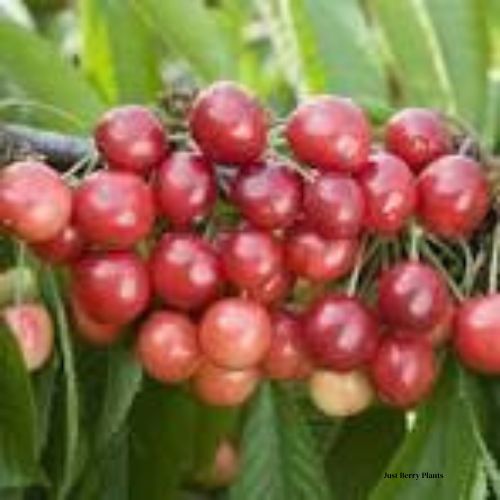
Lapins Cherry is self-fertile, so only one tree is required to produce fruit. However, another compatible sweet cherry variety flowering at the same time may help improve pollination and fruit set.
Like other sweet cherries, Lapins requires sufficient winter chilling for reliable flowering and fruit production. It is therefore best suited to areas with cold winters.