Position
Full sun, at least 6 -8 hours of sunlight per day.
Soil
Well-drained, sandy-loam soil with good organic content. Adding half a bag of our Volcanic Rock Dust (R25 per bag) and a bag of Superfrass (R25 per bag) will assist in rapid growth. They also protect the roots from insects.
Watering
Moderate but consistent watering is recommended; avoid overwatering to prevent waterlogging.
Mulching
Add a thick layer of pine bark mulch, keeping it about 20 to 30 centimeters away from the tree trunk itself (any closer and it may cause excess moisture to damage the trunk). This will retain the moisture in the soil and will prevent weeds from taking over
Fertilising
Apply 1 teaspoon every 4-5 months of our slow-release, nitrogen-rich all-plant fertilizer. The roots will absorb what they require.
Pruning
Prune annually to encourage the growth of new fruiting wood. Provide a trellis or support for vines.
Pruning is essential for maintaining healthy vines. The best time to prune is late winter or early spring, just before new growth begins. Focus on removing dead or overcrowded wood to promote airflow. This practice helps reduce disease risk and encourages better fruit quality.
Pests & Diseases
For outdoor vines, monitor regularly for pests and diseases. Early detection and management are crucial to maintaining the health and vitality of your grapevine. Watch for common pests, such as grapevine moths, mealybugs, and powdery mildew. Good air circulation and proper watering practices can help prevent these issues.
Treat promptly or preferably use preventative measures by spraying with agricultural Neem Oil or Effective Microorganisms (EM Control)
Harvesting
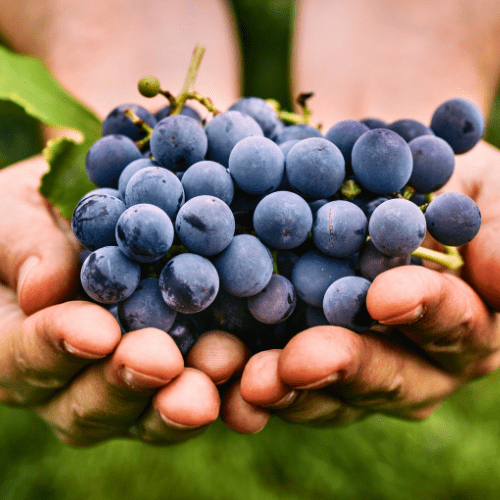
Typically mid-to-late summer.