Position
Plant in a warm, frost-free position with full sun to light shade. Oyster Nut is a vigorous climbing vine and needs a strong support, such as a tree, trellis, or pergola, to grow on.
Size
A large perennial climber that can reach 15–30 m long under ideal conditions, with very vigorous growth.
Soil Type
Watering
Water regularly while young and during dry periods to keep the soil evenly moist. Once established, it is fairly hardy, but best growth and fruiting occur with consistent moisture.
Mulch
Apply a 2–5 cm layer of Pine Bark Mulch around the base of the plant to conserve moisture, suppress weeds, and regulate soil temperature. Keep mulch away from the main stems to prevent rot.
Fertilising
Feed with well-rotted compost or manure and a balanced fertiliser during the growing season. Regular feeding encourages strong vine growth, flowering, and fruit production.
For our slow-release nitrogen-rich all plant fertiliser apply 3 teaspoons every 4-5 months.
Pruning
Prune to control size, guide growth, and keep the vine manageable on its support. Remove weak, damaged, or overcrowded growth and train the strongest stems where needed.
Harvesting
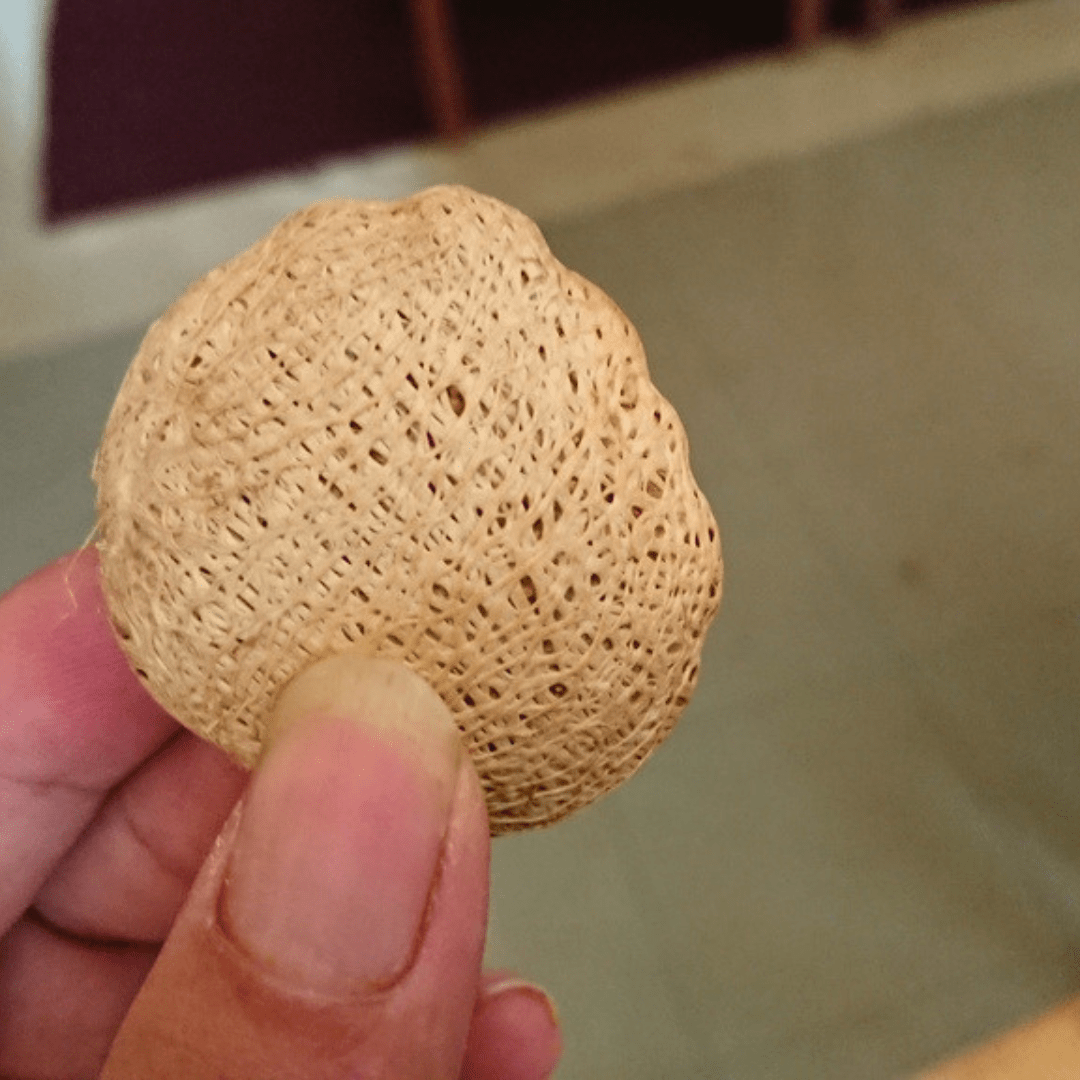
Fruits are ready when they mature and begin to split naturally. The seeds (oyster nuts) are collected from ripe fruits and are usually roasted or cooked before eating.
Pests & Diseases
Generally hardy, but may be affected by grasshoppers, termites, nematodes, and sap-sucking bugs. Root problems can occur in poorly drained soils. Good airflow, healthy soil, and proper watering help reduce disease issues.
Apply agricultural Neem Oil or Effective Microorganisms (EM Control) as part of a preventative care program to help protect plants from common pests and diseases.