Just Berry Plants

Logo 1
Sale!
,

Mission Olive Tree (young)

Original price was: R260.00.Current price is: R220.00.

Olea europaea

Mission Olive Tree

Mission Olive trees benefit from cross-pollination, and planting a compatible variety such as Manzanillo or Frantoio nearby can improve fruit set and overall production. For effective cross-pollination, plant compatible olive varieties within about 9–15 meters of each other to encourage wind-borne pollen transfer.
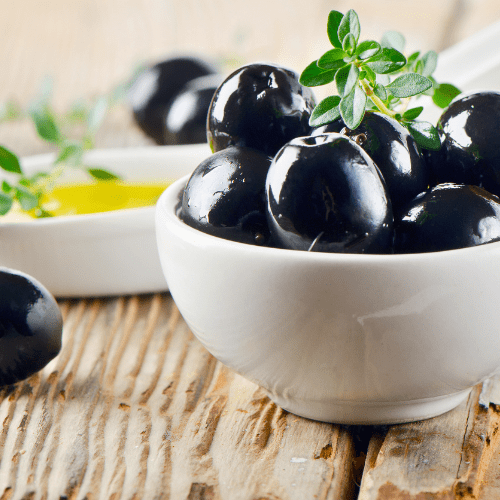
Mission olives are a versatile variety suitable for table olives and olive oil production. Their distinctive flavour makes them popular in tapenade, pizzas, salads, pasta and savoury dishes. When fully ripe, the fruit develops a dark colour and a rich flavour.
Olive trees are drought-tolerant once established, but they are not desert trees and require adequate water for healthy growth and fruit production. They perform best in a Mediterranean-type climate with cool winters and hot, dry summers. Adequate winter chilling helps promote dormancy and flowering, while excessive winter warmth can reduce flowering and fruit set.
Frost can damage young trees, new shoots, and flowers, and prolonged temperatures around -7°C can cause severe damage or tree death. Olive trees are generally relatively tolerant of wind compared with many other fruit trees, although protection from strong winds is beneficial, particularly for young trees.

Scroll down for planting information:

SKU: OLI001-MSN Categories: ,

Position:

Plant your olive tree in a place with full sun (at least 6 hours per day). Olive trees can tolerate the wind.

Size:

If uncontrolled, olive trees can grow up to 10 meters tall.

Soil Type:

This tree is not particularly fussy on soil mix, but a pH between 5 and 7 is ideal. Most gardens have a pH of 7. Good drainage and aeration is absolutely essential for maximum growth and harvest. Olive trees will not tolerate waterlogged soil. Slightly stony ground is acceptable.

They also require a bit of cool time. An average winter temperature that is below 21° Celsius for about 2 months is ideal.

Watering:

New plants require regular watering. Once mature and established, they are drought-tolerant and will only need to be watered once a month if it does not rain. If olive trees are planted in big pots, they require more watering.

Mulching:

All fruit trees thrive if they are protected with good-quality mulch. Generous layers of pine bark mulch and green pine needles spread around the trunk of the tree help eradicate weeds, slightly lower the pH, and protect the roots from harsh UV rays. Mulch also helps to keep the roots damp. But, be careful not to apply mulch too close to the tree trunk, as the water it retains can cause the trunk to rot.

Fertilising:

A potted olive tree must be fertilised in spring and again in mid-summer. Never over-fertilise as this will encourage leaf growth but little fruit. Our all plant slow-release fertiliser is ideal 18.9.10 + 2mgO+Trace Elements) A complete balanced fertiliser. Apply 1 tspn every 4-5 months.

Pruning:

It is always good to cut away diseased or dry branches in winter to allow for maximum light and sun penetration in summer.

Pests and Diseases:

Mission olive trees are generally hardy but can occasionally be affected by scale insects, aphids, olive fruit fly, olive fruit moth, and mites. Fungal diseases such as peacock spot, anthracnose, and verticillium wilt may also occur, particularly in humid conditions or where drainage and airflow are poor.
Regular applications of Agricultural Neem Oil or Effective Microorganisms (EM Control) can help manage common insect pests. If aphids or mites are present, wash the tree with a strong jet of water to dislodge them. Once the foliage has dried, spray with Neem Oil or EM Control according to the product instructions.
Practice good garden hygiene by removing fallen leaves and fruit. Avoid overwatering and ensure the soil drains well, as waterlogged conditions can lead to root rot. Good airflow through the canopy can help reduce fungal problems, particularly during wet periods.

Harvesting:

All olives start out green, then gradually ripen to a pinkish colour and then to dark purple. The time you harvest them depends on how the olives will be used.

Pick olives when fully ripe and black for black table olives, while olives for oil are harvested when they are partially ripe, often with a mix of green and black. The oil content of olives reduces as the fruits ripen.

Harvest when green for pickling or green table olives.

Olives must either be put in brine or pressed to make oil within 3 days of harvesting. Otherwise, they turn sour.  To make Greek-style olives, pick mature purple fruits. Once in brine, they turn black.
Weight 3 kg
Dimensions 20 × 20 × 150 cm
0
    0
    Your Cart
    Your cart is emptyReturn to Shop