
Position
Full sun in a spot sheltered from the wind. Limes do not tolerate cold temperatures and will not thrive in places that dip to -10 Celsius or below. If your garden is exposed to very cold conditions, plant your lime tree in a pot that can be moved indoors
Size
A full-grown lime tree can be 5 mts tall and 5 mts wide.
Soil Type
Lime trees thrive in warm, moist soil enriched with nutrients; whether in a pot or the garden. However, the soil needs to have excellent drainage, as any residual moisture will threaten the survival of your tree. Pack the soil firmly around the roots when planting. The air around the roots will be detrimental to your plant.
Mulching
Add a thick layer of pine bark mulch, keeping it about 20 to 30 centimetres away from the tree trunk (any closer may cause excess moisture and damage the trunk). This will retain the moisture in the soil and will prevent weeds from taking over.
Watering
Water your lime tree frequently but conservatively. The trees do better with regular sprinklings than with heavy soaking.
Fertilising
Apply 1 teaspoon of our slow-release nitrogen-rich berry fertiliser every 4-5 months.
Pests and Diseases
Aphids, citrus psylla, red scale, citrus greening. Spraying regularly with Agricultural Neem Oil or Effective Microorganisms (EM Control ) will assist in either prevention or after the fact. If you already have aphids or mites, wash the tree with a harsh hosing, and when dry, spray with Neem oil or EM Control.
Practice good garden hygiene (remove fallen fruit and leaves).
Watch for root rot (if overwatered) and fungal infections during wet periods.
Pruning
Lime trees are easy to care for because they don’t require much pruning. However, it’s wise to prune them at least once every year or two for optimal conditions. Pruning helps to prevent disease, strengthen the limbs and produce better, healthier fruits.
Harvesting
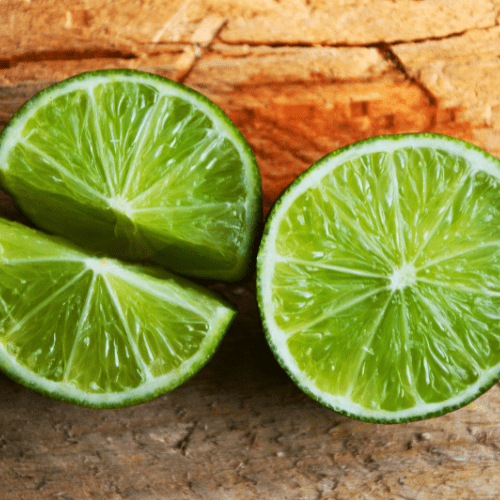
Your lime tree will likely produce fruit during summer, but some produce all year round. Pick the delicious limes when they are vibrant green and juicy. Once they have turned yellow and wrinkled, they are over-ripe and will taste bitter.