
Position
Plant your Dwarf Key Lime tree in full sun, preferably in a warm position sheltered from strong winds. Limes are sensitive to cold temperatures and frost and grow best in warm climates. If your garden is exposed to cold conditions, consider growing your lime tree in a large container so you can move it to a sheltered position during colder weather.
Allow approximately 2-3 metres of space around a Dwarf Key Lime tree to provide sufficient room for healthy growth and good airflow.
Size
A Dwarf Key Lime tree can grow to approximately 2 metres when mature, depending on growing conditions and pruning.
This makes them an excellent choice for smaller gardens, patios, and containers. Despite their compact size, they produce an abundant crop of juicy, flavourful lemons and are relatively easy to care for. Their smaller size also makes pruning and harvesting easier.
Soil Type
The optimal soil pH level for growing lime and many other plants is 5.5 to 6.5. If the soil is too alkaline, with a pH of 7.0 or higher, the tree can’t access iron, leading to iron deficiency. Use a good-quality, well-draining potting mix with at least one bag of acid compost, and ensure the container has adequate drainage holes.
Superfrass (R25 per bag) is a natural, high-quality organic growth enhancer and pesticide, and Volcanic Rock Dust(R25 per bag), which contains more than 72 trace elements and minerals, can be added at planting
Mulching
Mulching around your tree with pine bark mulch makes it more appealing, and the soil benefits from a steady supply of nutrients released as it slowly decomposes. Mulching will also keep the soil moist on warmer days, and pine bark adds a little acidity as it decomposes.
Watering:
Lime trees need regular watering, especially during hot, dry weather. Water deeply and thoroughly, then let the top few centimetres of soil dry slightly before watering again. Container-grown trees may require more frequent watering than trees planted in the ground.
Avoid overwatering, as constantly wet soil can cause root rot.
Fertilising
The lime trees feed heavily on the surrounding soil, quickly depleting the natural nutrient content.
Use our slow-release nitrogen-rich fertiliser, all-purpose fertiliser (which is excellent for citrus). Apply 1 teaspoon every 4-5 months.
Pests and Diseases
Lime trees can be affected by pests such as aphids, citrus psylla, scale insects, and mites. Citrus greening (Huanglongbing) is a serious citrus disease spread by psyllids.
Regular inspection and good garden hygiene can help reduce pest and disease problems. Remove fallen leaves and fruit from around the tree and monitor new growth for signs of insects.
If aphids or mites are present, spray the tree thoroughly with water to dislodge the insects. Once the foliage has dried, treat with Agricultural Neem Oil or Effective Microorganisms (EM Control). These products will assist with prevention or after-the-fact control. If you already have aphids or mites, wash the tree with a harsh hosing, and when dry, spray with Neem oil or EM Control.
Practice good garden hygiene (remove fallen fruit and leaves).
Good drainage is particularly important, as overwatering can cause root rot. Fungal problems may also become more common during prolonged wet weather.
Pruning
Dwarf Key Lime trees require relatively little pruning. Light pruning every year or two can help maintain the desired shape, encourage good airflow, and keep the tree manageable.
Remove dead, damaged, weak, or crossing branches, as well as any shoots growing from below the graft union. Avoid heavy pruning, as excessive removal of healthy branches can reduce fruit production.
Harvesting
Dwarf Key Lime trees can produce fruit from late summer into winter, although fruiting times vary depending on the climate and growing conditions. In warm climates, lime trees may produce fruit at different times throughout the year.
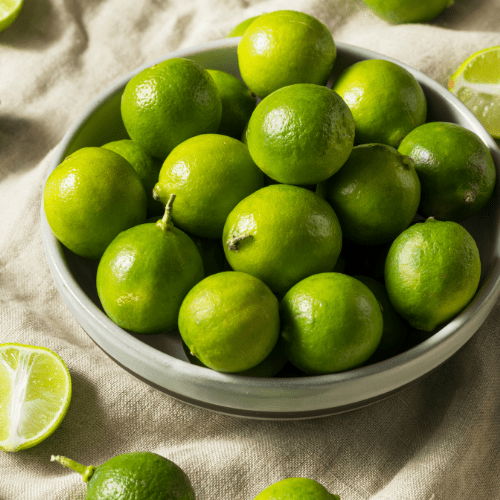
Harvest Key Limes when the fruit is mature, juicy, and has reached its characteristic green colour. Key Limes are often picked while still green and will become yellow as they mature further. For the best flavour, harvest regularly as the fruit reaches the desired stage of ripeness.