Position:
Position:
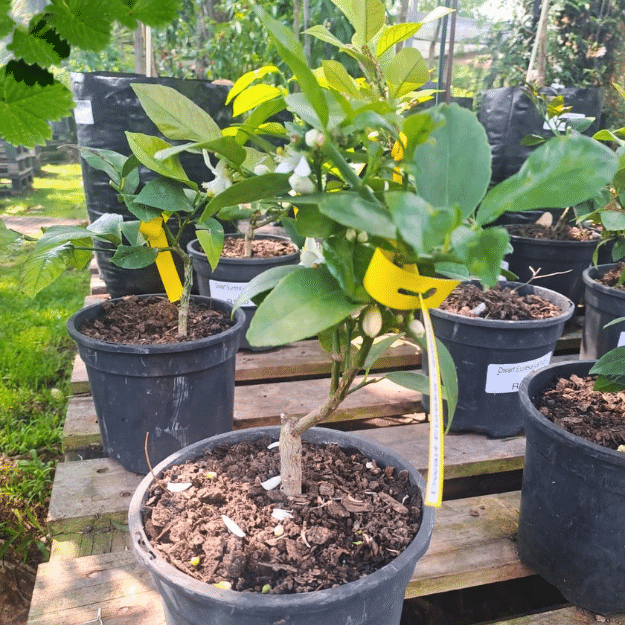
Dwarf Eureka Lemon trees thrive in warm subtropical and tropical climates. They prefer full sun, ideally receiving at least 6–8 hours of direct sunlight each day, but can tolerate some light shade. They are sensitive to cold and should be protected from frost and freezing temperatures.
Dwarf Eureka Lemon trees grow to approximately 1.5–2 metres, making them an excellent choice for smaller gardens, patios, and containers. They are compact, prolific fruit producers and relatively easy to care for. Their smaller size also makes pruning and harvesting easier.
Soil type:
The optimal soil pH level for growing lemons and many other plants is 5.5 to 6.5. If the soil is too alkaline, with a pH of 7.0 or higher, the iron becomes inaccessible to the lemon tree, leading to iron deficiency. Use a good-quality, well-draining potting mix with at least one bag of acid compost, and ensure the container has adequate drainage holes.
Superfrass (R25 per bag) is a natural, high-quality organic growth enhancer and pesticide, and Volcanic Rock Dust(R25 per bag), which contains more than 72 trace elements and minerals, can be added at planting.
Dwarf Eureka Lemon trees are compact, prolific fruit producers that grow to about 2 metres, making them an excellent choice for smaller gardens, patios, and containers. Despite their compact size, they produce an abundant crop of juicy, flavourful lemons and are relatively easy to care for. Their smaller size also makes pruning and harvesting easier.
Mulching:
Mulching around your tree with
pine bark mulch makes it more appealing, and the soil benefits from a steady supply of nutrients released as it slowly decomposes. Mulching will also keep the soil moist on warmer days, and pine bark adds a little acidity as it decomposes.
Watering:
Citrus trees need soil that is consistently moist but never waterlogged. Water deeply, then let the top few centimeters of soil dry before watering again. During hot weather, container-grown trees may need watering more frequently.
Check the soil by inserting your finger approximately 5 cm into the soil. If it feels dry at this depth, it is time to water.
Fertilising:
Dwarf Eureka Lemon trees are heavy feeders and benefit from regular fertilising during their active growing season. Use a slow-release, nitrogen-rich fertiliser suitable for citrus or fruit trees –
All Plant Fertiliser. Apply 1 teaspoon of every 4-5 months.
Yellowing leaves can indicate a nutrient deficiency, but may also be caused by unsuitable soil pH, poor drainage, or overwatering.
Pruning:
Dwarf Eureka Lemon trees require relatively little pruning. Prune periodically to maintain the desired shape and encourage good airflow through the canopy. Remove dead, damaged, or weak branches, as well as branches that cross or grow towards the centre of the tree.
Remove vigorous shoots growing from below the graft union, as these are rootstock growth and will not produce the desired Eureka lemons. Light pruning can be done after fruiting or as needed to maintain the tree’s size and shape.
Pests & Disease:
Citrus trees can be susceptible to pests such as aphids, scale insects, and red spider mites, as well as fungal diseases such as mildew.
Spray the foliage thoroughly with water to dislodge insects, then treat with Agricultural Neem Oil or EM Control according to the product instructions.
Apply Neem oil or EM Control as a preventative measure by spraying every couple of weeks.
Harvesting:
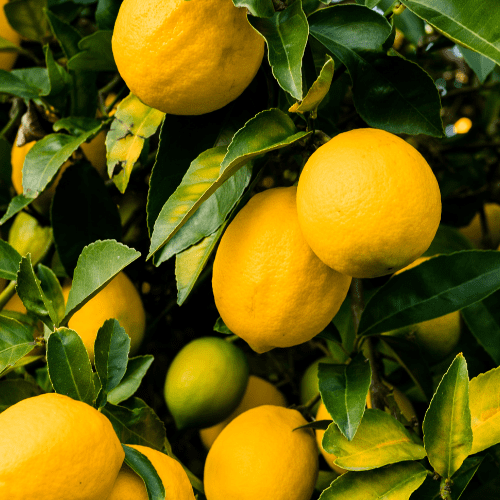
Harvest the lemons when they have developed their mature colour and are firm and juicy. Lemons can be picked as needed and will continue to ripen on the tree. Eureka lemons can produce fruit over an extended period, with the main crop often ripening during the cooler months, although fruiting times can vary depending on climate and growing conditions.