

Position
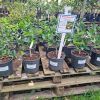
Dwarf Bears Lime thrives in full sun and should be planted where it will receive at least 6 to 8 hours of direct sunlight daily. A warm, sheltered position protected from strong winds and severe frost is ideal.
When planting in the ground, about 2 metres between trees or other large plants to provide sufficient space for healthy growth, good air circulation and fruit production.
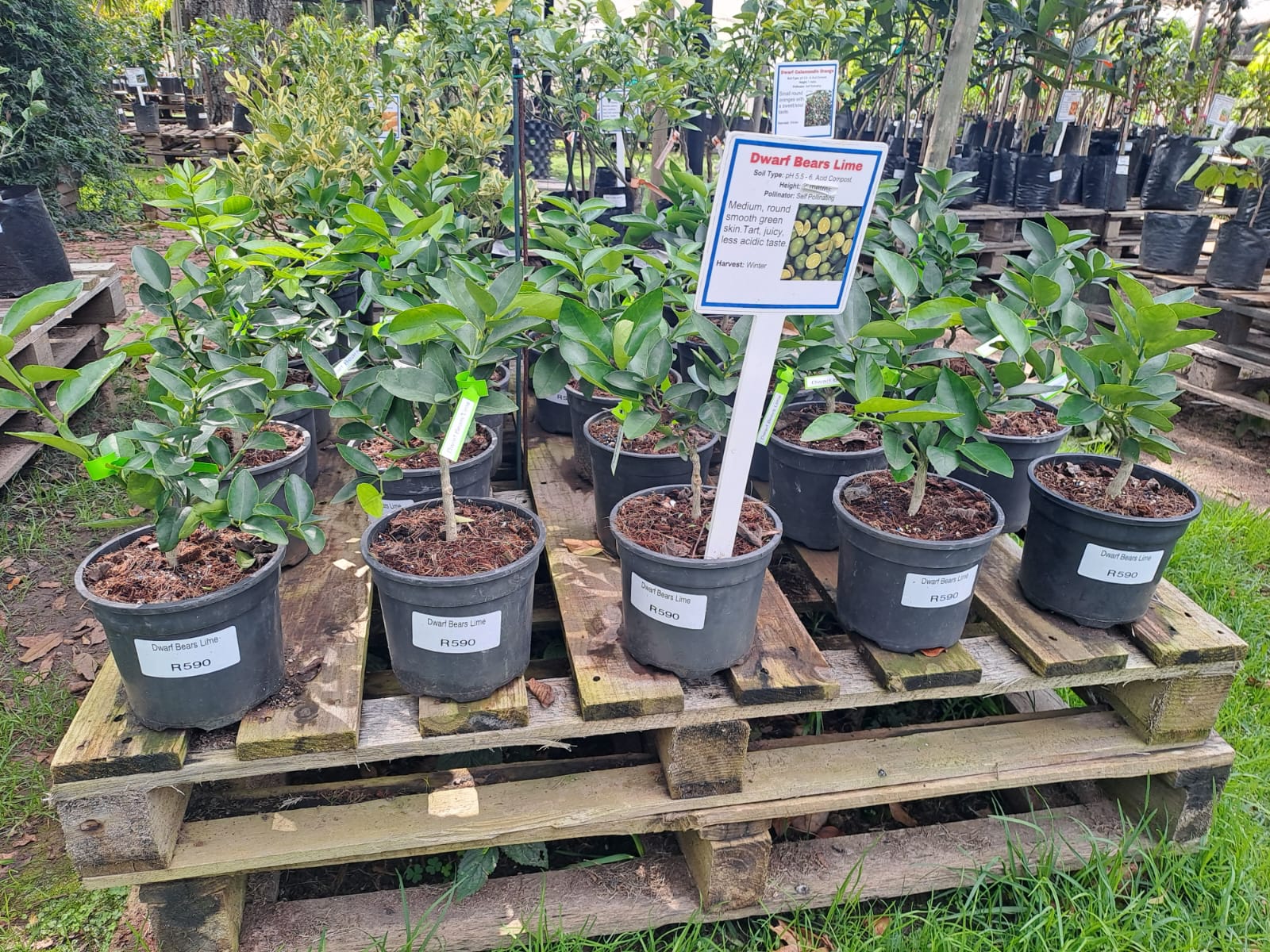
Dwarf trees are very well suited to growing in a large container, making it an excellent choice for patios and smaller gardens.
Size
Dwarf Bears Lime typically grows to about 2 metres tall, depending on the growing conditions and pruning. Container-grown trees generally remain smaller and are easier to maintain at a manageable size.
Regular light pruning can maintain the desired height and shape.
The tree develops a naturally rounded, spreading canopy, but its eventual width will depend considerably on growing conditions and pruning.
Soil type
Bears Lime grows best in fertile, well-drained, slightly acidic soil, ideally with a pH of approximately 5.5 to 6.5. Add a bag of acid compost to adjust the pH.
Sandy loam is ideal, but citrus can grow successfully in a range of soil types as long as drainage is excellent. Improve heavy clay soil before planting, as constantly wet soil can cause root problems.
For container growing, use a high-quality, free-draining potting mixture enriched with organic matter. Good drainage is essential, and the container must have adequate drainage holes.
Avoid planting citrus in strongly acidic soil or soil that remains constantly wet. One bag of acid compost is perfect.
Improve soil quality by adding half a bag of Volcanic Rock Dust (R25 per bag) for minerals and trace elements, and a bag of Superfrass (R25 per bag) at planting to boost nutrients (NPK and micronutrients) and support strong, healthy growth while also helping protect against pests.
Mulching
Add a thick layer of pine bark mulch around the tree to help retain soil moisture, regulate soil temperature and suppress weeds.
Keep the mulch away from the trunk. Avoid piling mulch directly against the bark, as constant moisture around the trunk can encourage rot and disease.
Watering
Water dwarf lime trees grown in containers when the upper layer of soil begins to feel dry. Water thoroughly until excess water drains freely from the bottom of the container.
If the soil is still moist, wait before watering again. Citrus enjoys regular moisture but does not tolerate constantly waterlogged soil.
Trees may require more frequent watering during hot, dry summer weather and while flowering and developing fruit. Reduce watering during cooler weather when growth slows.
Fertilising
Dwarf lime trees will thrive with our slow release all plant fertiliser, apply one teaspoon every 4-5 months.
Citrus trees require a good supply of nutrients to support healthy foliage, flowering and fruit development, but avoid excessive fertilising, particularly when growing the tree in a container.
Pruning
Dwarf Bears Lime requires relatively little pruning. Prune primarily to maintain the desired size and shape and to remove dead, damaged, diseased, crossing or overcrowded branches.
In frost-prone areas, wait until the danger of frost has passedand avoid heavy pruning, as removing too much healthy foliage can reduce fruit production and expose branches and the trunk to sunburn.
Remove any shoots or suckers that develop below the graft.
Pests and Diseases
Watch for common citrus pests including aphids, citrus psylla, scale insects and mites. Citrus greening is a serious citrus disease associated with infected citrus psyllids, so symptoms should not be ignored.
Spraying regularly with Agricultural Neem Oil or Effective Microorganisms (EM Control ) will assist in either prevention or after the fact. If you already have aphids or mites, wash the tree with a harsh hosing, and when dry, spray with Neem oil or EM Control.
Practice good garden hygiene by removing fallen fruit, leaves, and diseased plant material. Avoid overwatering and ensure excellent drainage to reduce the risk of root rot and fungal diseases, particularly during prolonged wet periods.