Position
Full sun is essential—minimum 6–8 hours daily for best fruit quality.
Soil
Well-drained, loamy or sandy soil enriched with organic matter such as compost to improve soil drainage and ensure good soil structure for root development. Adding half a bag of our Volcanic Rock Dust (R25 per bag) and a bag of Superfrass (R25 per bag) will assist in rapid growth. They also protect the roots from insects.
Watering
Drought-tolerant once established, but benefits from regular watering during fruit set and ripening.
Mulching
Mulching: Adding a thick layer of pine bark mulch, a natural and organic material that helps retain moisture in the soil, prevents weed growth, and protects the tree’s roots, while keeping it about 5 centimetres away from the tree trunk, is a beneficial practice. This reassurance will help you maintain the health of your plant.
Fertilizing
Apply one teaspoon every 4-5 months of our slow-release all-plant fertiliser. The roots will absorb what they need.
Pruning
Prune in winter (dormant season) to remove dead wood, crossing branches, and to shape the tree. Typically grows to 2 – 4metres tall. Perefect for a large pot. Train as an open centre (vase shape) for good light penetration and air circulation.
Good garden hygiene is not just a practice, it’s a responsibility. It’s crucial for preventing the spread of pests and diseases. Be sure to remove fallen fruit and leaves on a regular basis to ensure the health of your plant.
Pests & Diseases
Pests and diseases can impact fruit yield and tree health. Preferably use preventative measures by spraying with agricultural Neem Oil or Effective Microorganisms (EM Control), a natural pest control method that uses beneficial microorganisms to suppress harmful ones.
Harvesting
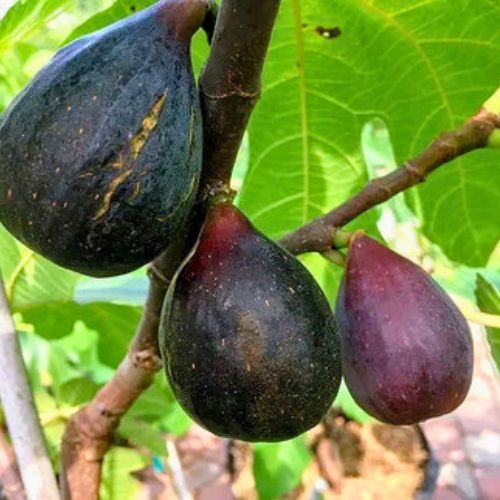
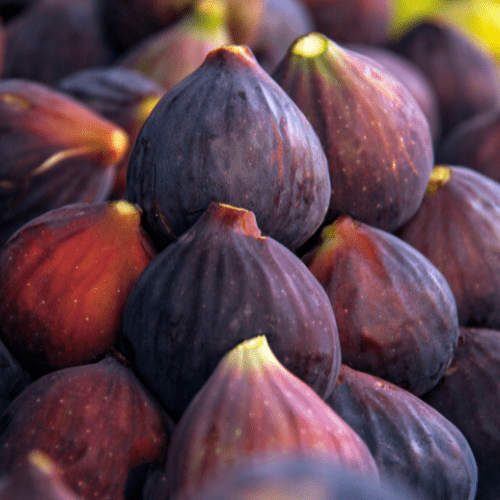
Late summer to early Autumn. Pick when the skin is purple-grey in colour.